Why Electric Tools Are Replacing Traditional Ones
Electric sculpting tools are transforming how artists work saving time, refining detail, and delivering greater creative control. Whether you’re sculpting clay, foam, wood, or mixed media, these tools are reshaping workflows in major ways.
The New Standard: Speed, Precision, and Control
Electric tools bring three game changing advantages:
Speed: Whether it’s rough shaping or refining, electric options dramatically reduce sculpting time.
Precision: Fine motors and adjustable settings allow for detailed control even on complex textures.
Control: From pressure sensitivity to speed variation, modern tools let artists adapt on the fly.
These features combine to make electric tools a clear evolution over their manual counterparts, especially for artists juggling tight deadlines or working with fragile materials.
Outperforming the Classics
While hand tools have their charm, they often fall short when it comes to:
Consistency across large scale projects
Efficiency during repetitive detailing
Clean, high precision cuts or textures
Today’s electric tools easily outperform legacy options by enabling fluid, multi stage workflows all without sacrificing surface integrity or artistic intent.
Why Artists Are Making the Switch
Whether you’re just starting out or refining years of technique, electric sculpting tools offer real benefits:
For Beginners:
Easier learning curve with variable speed and ergonomic design
Reduced fatigue, making longer sessions more sustainable
For Professionals:
More versatile tools for a broader range of materials
Enhanced precision that supports high end commissions or complex installations
The bottom line? Electric sculpting tools not only save time and effort they expand what artists can create.
Key Features Artists Should Look For
Not all electric sculpting tools are built equal, and in 2026, the right features make all the difference between a solid session and a frustrating one.
First, variable speed control is a non negotiable. Clay, resin, foam they all respond differently under pressure. You’re not always working on a single type of medium, and one speed tools just don’t cut it anymore. Being able to dial into slower speeds for detail or ramp up for rough shaping gives you control without switching devices.
Ergonomic design is another must, especially if you’re putting in long hours. Fatigue creeps in fast if your grip has to fight the tool. Look for comfortably weighted builds, non slip finishes, and well placed controls. Your wrists will thank you by hour three.
Now, the age old question: battery or cord? If you’re a studio based artist who doesn’t move around much, corded tools offer consistent power all day no interruptions. But if you like taking your work outside or switching stations, battery powered wins for freedom. Just check the runtime; nothing derails a project like a dead tool at the wrong time.
Finally, noise and vibration reduction isn’t just about comfort it’s about precision. A quieter tool that doesn’t rattle your hand lets you focus better and make cleaner cuts. Modern motors and dampening tech mean this is no longer a premium feature. It’s what serious artists should expect by default.
Tool 1: Digital Rotary Carver 900X
The Digital Rotary Carver 900X doesn’t mess around. It’s lightweight so no sore arms after hours in the studio and its built in LED precision lighting cuts shadows from the equation. Artists say the lighting makes a big difference when working on small curves and deep cuts, especially in low light setups.
Versatility is where it really shines. The tool comes with a swappable attachment system that works across clay, wood, resin, and foam. No need to keep switching tools every time you change materials, which keeps your flow going and your bench less cluttered.
Why is it still the top rated all rounder in 2026? It nails the balance between power and finesse. You can carve bold shapes or fine details without switching devices. Add in its low vibration design and variable speed controls, and you’re looking at a workhorse that adapts to your pace, not the other way around.
Tool 2: SculptTech Pro Engraving Pen
For artists focused on intricate surface work, the SculptTech Pro Engraving Pen delivers precision, speed, and efficiency in one compact tool. It’s designed to meet the needs of sculptors who prioritize fine line detailing and effortless portability.
Precision for Texture and Detail
The SculptTech Pro shines when it comes to micro carving, engraving, and texturing all essential for adding character to a sculpture’s surface. Whether you’re etching into polymer clay or finessing a resin model, the pen’s ultra fine tip ensures consistent control and clean lines.
Ideal for detailed line work and surface etching
Excellent for textures, signatures, and intricate accents
Zero Lag Lithium Technology
Unlike older models that suffer from delay or inconsistent power, this pen uses modern lithium powered tech to provide smooth, continuous performance.
No lag during operation
Consistent torque output at all speed levels
Quick charging with extended battery life perfect for day long sessions
Lightweight and Travel Ready
The compact design is a major plus for mobile sculptors or creators working in small home studios or outdoor environments.
Easily fits in travel kits and portable workstations
Low weight reduces wrist strain during long sessions
Simple charging via USB C for flexibility on the go
In Summary: The SculptTech Pro Engraving Pen is the go to pick for artists who demand clean lines, hands on control, and a versatile tool that travels as well as it performs.
Tool 3: VersaForm Modular Sculpting Wand
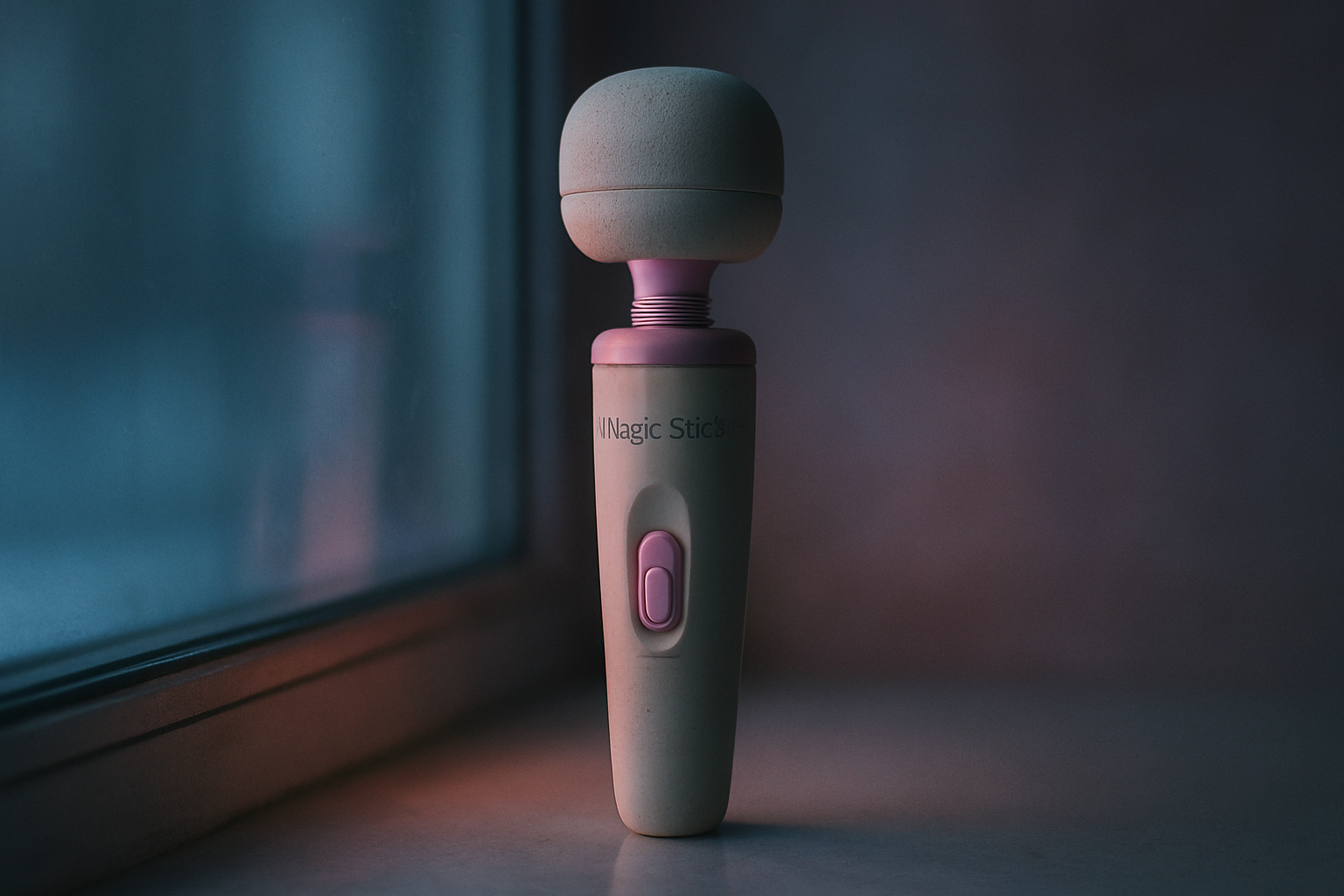
Versatility is the name of the game with the VersaForm Modular Sculpting Wand. It comes with interchangeable heads that snap on in seconds, letting you shift between carving, sanding, and smoothing without changing tools. That modular design keeps your process streamlined and your studio less cluttered.
Where this tool really stands apart is in its force sensitive control. Whether you’re shaping a delicate foam edge or refining a high gloss resin form, the Wand adjusts to your touch. Light pressure gives you precision; a firmer grip digs in deeper no need to mess with speed dials mid piece.
It’s especially useful for installation artists and kinetic sculptors who work across materials and scale. Need to refine joints in motion sensitive components? This tool can handle it. The compact build and ergonomic grip also mean it’s easy to use for long stretches without feeling like you’ve been in a wrestling match.
For those working in evolving environments like public spaces, interactive installations, or mobile exhibitions the VersaForm makes adaptation less of a hassle and more of an advantage.
Material Compatibility: It Matters More Than Ever
Electric sculpting tools may be powerful, but their true performance shines when paired with the right materials. As artists continue to experiment with diverse mediums from polymer clay to lightweight eco foams tool compatibility can make or break your final result.
Best Tool Matches by Material
Not every tool is optimized for every medium. Here’s a quick breakdown of some ideal pairings to help prevent waste and get precision results:
Polymer Clay
Use lightweight rotary carvers and detail pens.
Variable speed control is crucial to prevent heat warping.
Recommended: Digital Rotary Carver 900X with fine tipped heads.
Metal Alloys
Seek tools with powerful torque and durable bits.
Look for low vibration options to avoid hand fatigue.
Recommended: VersaForm Wand with high polish attachments.
Eco Foams and Synthetic Blends
Opt for force sensitive tools to avoid material collapse.
Softer attachments and lower RPMs will protect surface texture.
Recommended: SculptTech Pro for controlled surface work.
Avoiding Surface Damage
Even high end tools can damage fragile pieces if mishandled. A few precautions:
Start on the lowest speed and gradually increase.
Test new tools on scrap material first.
Replace worn attachments regularly dull tools can gouge surfaces.
Cross Tool Compatibility
Want a more adaptable studio setup? Prioritize cross compatible systems:
Modular tools with interchangeable heads save time and space.
Universal bit sizes allow for more customization across brands.
Tools that pair with multiple charging docks or power bases reduce clutter and streamline your creative workflow.
Staying material aware helps extend both your tools’ life and your creative possibilities.
For a deeper dive into which materials pair best with which tools, visit: advanced sculpting tools
Don’t Overlook Maintenance & Reliability
Electric sculpting tools don’t last unless you treat them right. That starts with smart maintenance. A tool that’s easy to clean no tricky nooks, removable heads, sealed motors will last you years longer than one that isn’t. Dust build up and material residue aren’t just annoying. They kill performance.
When it comes to brands, reliability isn’t flashy, but it matters. Look for companies that back their gear with real warranties and responsive support not silent forums or outdated FAQs. Brands like SculptTech and VersaForm have developed reputations for both durability and after sale service. That kind of support pays for itself.
And here’s the real decision point: are you buying another tool next year, or buying one now that holds up? The cheap route adds up. Investing in a solid piece once the type built for real studio work not only saves money long term, but saves frustration and downtime. Bottom line: maintenance and brand support aren’t extras. They’re part of the tool.
Final Picks Based on Artist Needs
Choosing the right tool depends on your experience level, artistic goals, and materials of choice. Here are the standout electric sculpting tools for 2026, broken down by artist profile:
Best for Beginners
If you’re just starting out in electric sculpting, ease of use and safety should top your list.
Digital Rotary Carver 900X
Intuitive controls make it easy for first time users
LED lighting helps with precision during early projects
A wide range of attachments means you can experiment without investment in multiple tools
Why it works: This tool offers flexibility for beginners to try multiple materials and techniques without buying separate devices.
Best for Technical Detail
For artists requiring absolute precision and refined control, fine motor tools stand out.
SculptTech Pro Engraving Pen
Optimized for micro detailing, engraving, and texturing
Zero lag tech ensures your tool moves exactly as your hand does
Compact design supports mobility and small studio setups
Ideal use cases: Miniature sculptures, surface customization, typography, or low relief texture work.
Best Multi Purpose Tool to Future Proof Your Setup
If you need one tool that can evolve with your practice, go modular.
VersaForm Modular Sculpting Wand
Swap out heads for sanding, carving, smoothing, and finishing
Force sensitive adjustments let you adapt on the fly
Suitable for both small and large scale works
Why sculptors love it: This tool adapts to the project ideal for growing practices or collaborative studios.
Bonus Tip: Match Your Tool to Your Materials
Your tool is only as good as the material it’s paired with. Using the wrong combination can lead to dull blades, unwanted melting, or loss of surface texture.
Study the compatibility chart for polymer clays, resins, metals, and eco foams
Use different speed settings for soft vs. dense media
Expand your knowledge with this guide: advanced sculpting tools
 Harrison Lee plays a vital role at Sculpture Creation Tips, where his passion for the art of sculpture is evident in everything he does. With a comprehensive understanding of both classical and contemporary sculpting techniques, Harrison is committed to guiding and educating artists, whether they are just beginning their journey or are seasoned professionals. His approach goes beyond merely teaching technical skills; he encourages artists to explore and develop their unique artistic voices, pushing the boundaries of their creativity. Harrison's expertise and dedication make him an invaluable resource, not just for honing craftsmanship but also for inspiring innovation within the sculpting community. His ability to foster a supportive, dynamic learning environment ensures that every artist he works with is equipped to reach new heights in their artistic endeavors. Harrison's contribution to Sculpture Creation Tips is instrumental in its mission to elevate the art of sculpture and empower artists to achieve their full potential.