You’ve seen those generic emblems.
The ones that look like they came from a bulk order at a warehouse sale.
They don’t say you. They don’t say your team. They don’t say what you actually stand for.
That’s why you’re here. Looking for something real. Something that fits (not) just on a jacket or banner, but in your gut.
Flpemblemable isn’t about picking from a dropdown menu.
It’s about starting with nothing and ending with that emblem. The one people point to and say “That’s them.”
I’ve helped thousands do exactly that. No design degree required. No guesswork.
Just clear steps.
This guide walks you through every part of the process. From blank page to finished emblem. No fluff.
No jargon. Just what works.
Your Emblem Isn’t Decorative. It’s a Statement
I used to think emblems were just for jackets and hats. Then I watched a startup hand out branded lanyards at a trade show. People touched them.
Asked where they came from. Took photos.
That’s not decoration. That’s brand recall.
Unforgettable First Impressions
A custom emblem sticks in memory faster than a website URL. Why? Because it’s physical.
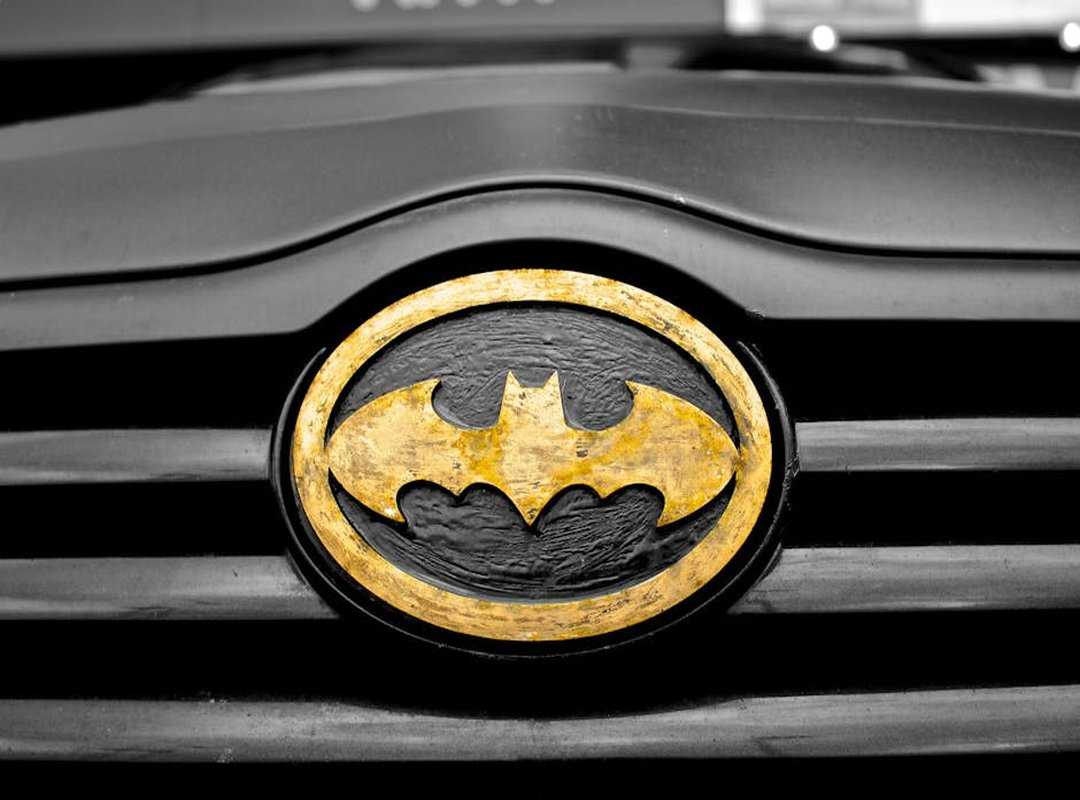
It’s tactile. It shows up on a backpack, a laptop lid, a car grille. Places your logo can’t go digitally.
I’ve seen this with local breweries. Their metal emblem on tap handles? Customers remember the brewery name before the beer style.
Not magic. Just consistency + craftsmanship.
A Symbol of Belonging
You don’t join a motorcycle club and get a sticker. You get an embroidered patch. Or a die-struck metal emblem.
Same with esports teams. Same with grad schools handing out lapel pins.
It signals: I’m here. I earned this. This matters.
I’m not sure why we trust metal more than vinyl. But we do. (Probably because it doesn’t peel after two washes.)
Flpemblemable is where you start if you want that kind of weight behind your symbol (not) just a print, but a presence.
Permanence = Perception
Stickers yellow. Heat transfers crack. A well-made PVC or stamped metal emblem lasts years.
Feels expensive. Looks intentional.
That’s why I skip the generic online print shops. They’ll ship you something that looks fine on screen. Then fails under sunlight or sweat.
Pro tip: If your emblem bends easily or smells like plastic fumes when you hold it too long? It’s not built to last.
You’re not choosing a logo placement. You’re choosing how people remember you. You’re choosing what “belongs” feels like.
Canvas Choices: Metal, Rubber, or Thread?
I’ve stuck emblems on gear for fifteen years. Not all of them lasted. Some cracked.
Some peeled. Some looked cheap by lunchtime.
Metal emblems (die-cast) zinc or brass (feel) serious in your hand. Heavy. Solid.
They clink when you drop them (which I did, twice). That weight signals quality. You see them on luxury car grilles, award plaques, and high-end luggage tags.
Finishes matter: antique gold hides scratches, polished chrome screams “look at me.” But metal isn’t flexible. Bend it? It snaps.
Mount it wrong? You’ll need epoxy. And patience.
Soft PVC or rubber emblems? Bright. Bouncy.
Waterproof. I slapped one on my rain jacket last winter. Still looks new.
They’re great for tactical gear, bike helmets, or keychains you toss in a muddy backpack. They don’t rust. They don’t chip.
They just work. But they lack that heirloom heft. And if your logo has fine lines?
Good luck seeing them.
Embroidered patches have texture. Woven ones have detail. Embroidered = raised thread, soft edges, classic vibe (think) baseball caps or fire department uniforms.
Woven = flatter, sharper, better for tiny text or detailed icons. Both fray if you wash them wrong. Neither handles heat well.
Iron-on backs fail. Sew them. Just do it.
Flpemblemable is the kind of word that makes people pause mid-sentence. Don’t overthink it. Pick based on where it lives.
Not what sounds fancy.
Metal: high perceived value. Rubber: tough and vivid. Embroidered: warm and familiar.
Woven: precise but fragile.
You want something that survives daily use? Go rubber. You need prestige on a desk plaque?
Metal. You’re stitching onto fabric? Woven first.
Embroidered second.
I bought a woven patch with a tiny dragon logo. Still sharp after 18 months of washing. I bought an embroidered one with the same dragon.
Faded in six weeks.
Your Emblem Design: Three Steps That Actually Work
I sketched my first emblem on a napkin at a diner. Coffee stain included. It got approved.
You don’t need a degree. You need clarity and the guts to start messy.
Step one is The Concept. Sit down with paper and pen. Ask yourself: What’s the one thing people must remember?
A name? A feeling? A promise?
(Hint: it’s rarely “quality” or “excellence.” Those are filler.)
Jot down symbols that fit. A mountain for endurance. An open hand for service.
A specific font style that feels right. Not trendy, just yours. Pick two colors max.
Three if you’re stubborn. I once used burnt orange and charcoal because my cousin said they looked like campfire smoke. It worked.
Step two is Digital Creation. This is where vector files matter. AI, EPS, SVG.
I wrote more about this in Why Do You Need a Logo for Your Business Flpemblemable.
These scale without blurring. PNGs? Fine for emails.
Not for embroidery or vinyl cutting. (Yes, I learned that the hard way.)
If your sketch looks like a toddler drew it? Good. Many shops will clean it up for you.
Just send them the idea. Not a Photoshop file you spent 12 hours faking.
Step three is Reviewing the Proof. This is where most people rush and regret.
Check spelling twice. Look at color codes if you specified Pantone or HEX. Measure the dimensions against your intended use.
Hat patch vs. car decal changes everything. Note cutouts, backing types, stitch counts.
That’s why Why Do You Need a Logo for Your Business Flpemblemable hits so hard. It’s not about looking pro. It’s about avoiding reorders.
Flpemblemable isn’t magic. It’s discipline.
Approve nothing until you’ve printed the proof at actual size.
Then step away. Come back in an hour. Look again.
If it still feels right (you’re) done.
Emblem Mistakes That Waste Your Money
I’ve watched people order emblems they hate before the mail even arrives.
Tiny text looks sharp on screen. It turns into a blurry mess on metal or fabric. (Especially under 1 inch tall.)
Overly complex design is the top reason for reorders. Skip the fine lines. Skip the 6-point font.
If you can’t read it from arm’s length, it won’t work.
Backing matters more than you think. Adhesive fails on cold gear. Velcro snags on uniforms.
No backing? You’re sewing it yourself (and) hoping the thread holds.
Measure with a ruler. Not your phone. Not your monitor.
A real ruler on your desk. Screen size lies.
Size misjudgment ruins half the orders I see. You think it’s “just right” until it shows up. And it’s smaller than your thumbnail.
Flpemblemable means nothing if it falls off after two washes.
Pick the backing before you finalize the art.
And if you’re still unsure? Print the mockup at actual size. Tape it to the spot where it’ll go.
Walk away. Come back. Still like it?
Good.
Your Emblem Isn’t Waiting
You’re tired of looking like everyone else.
That generic logo. That forgettable sticker. That bland metal tag slapped on a product that could mean something.
I’ve been there. You want your brand to feel real (not) rented.
So you pick a material. You sketch a shape. You avoid the rookie traps (like tiny text or clashing colors).
Simple. Direct. Human.
A Flpemblemable isn’t decoration. It’s proof you care enough to show up differently.
What’s the first thing people notice about your work? Is it you (or) just noise?
Your unique story deserves a unique symbol.
Sketch your idea right now. Or open our gallery. Five seconds.
No account. No pressure.
Start here.
 Karen Parker is a vital member of the Sculpture Creation Tips team, where her profound love for the art of sculpting is evident in every piece she works on. With years of experience and a deep understanding of various sculpting techniques, Karen has become a trusted mentor to both beginners and seasoned artists alike. Her dedication to the craft is matched only by her passion for teaching, as she creates detailed, easy-to-follow tutorials that help others bring their artistic visions to life. Karen's expertise spans a wide range of materials and styles, allowing her to offer invaluable insights that cater to a diverse audience. Whether through her hands-on guidance or her thoughtful advice, Karen's contributions are instrumental in nurturing a vibrant and supportive community of sculptors, all united by a shared love for this timeless art form.