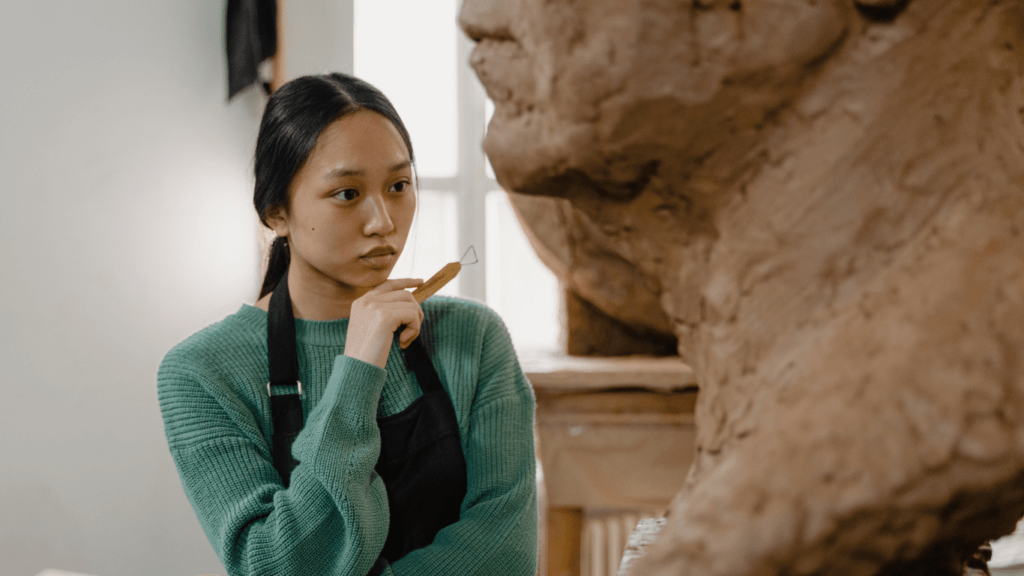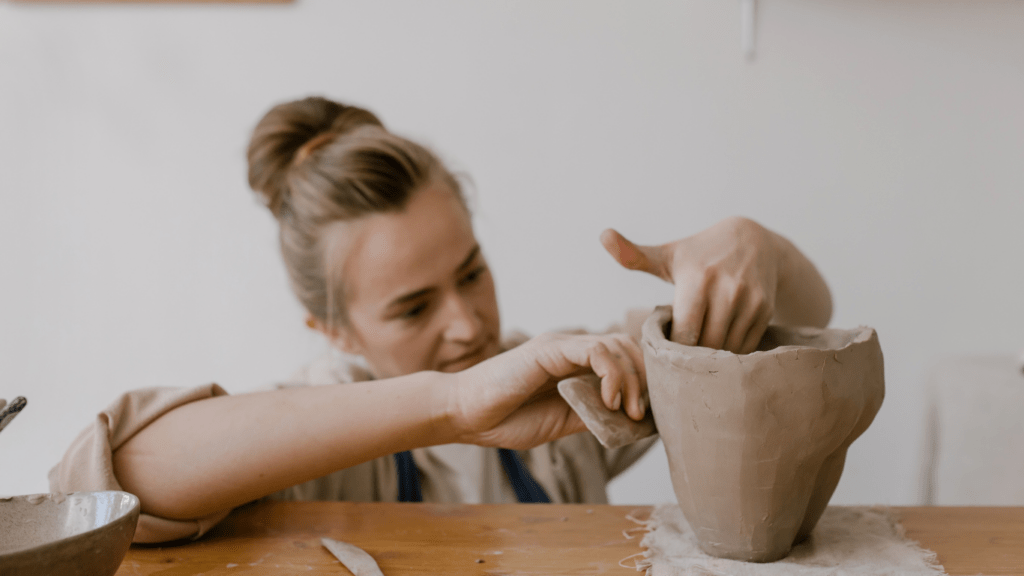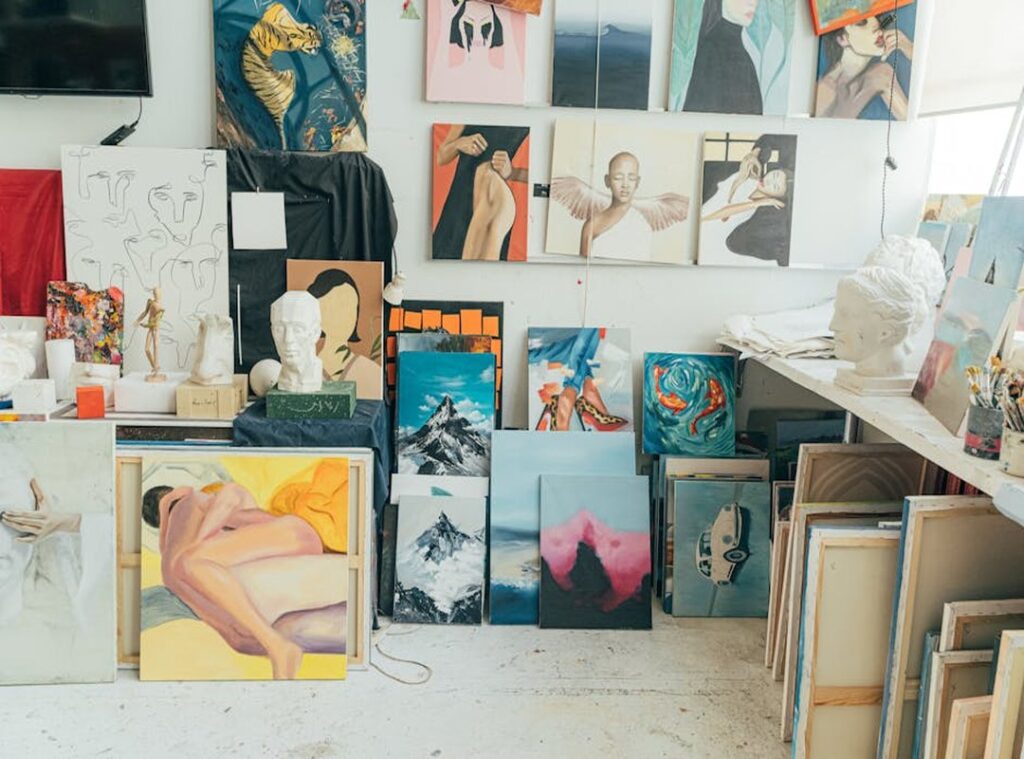
You’ve stood in front of a piece of art and felt nothing.
Not bored. Not confused. Just… blank.
Like the wall won’t talk back.
I know that silence. I’ve heard it in too many galleries (sterile,) polished, polite.
But then there’s the other kind. The one where light hits a brushstroke just right. Where glass catches your breath.
Where fiber feels like it’s breathing under your fingers.
That’s not decoration. That’s conversation.
This isn’t about hanging pretty things on walls.
It’s about how an Articles Art Artypaintgall chooses what to show. And why. How it treats artists (not as vendors, but as partners).
How it opens doors for people who’ve never walked into a gallery before.
I’ve spent years inside these spaces. Not just visiting. Sitting with curators.
Watching studio doors open at 7 a.m. Helping hang shows that changed neighborhoods.
You want to understand how this works. Not the brochure version. The real version.
How do you walk in (not) as a customer, not as a critic. But as someone who belongs?
That’s what this is for.
Why Real Galleries Don’t Sell Art. They Grow Artists
I walk into a commercial space and see the same three artists, same prices, same glossy frames. It’s predictable. Boring.
And it has nothing to do with how art actually gets made.
An artistic creations gallery is different. It’s mission-driven first. Market second.
If at all.
That means curation isn’t about what sells fastest. It’s about who needs room to experiment. Who’s stuck in a phase no one else sees value in yet.
You’ll see sketchbooks pinned to walls. Failed clay prototypes on shelves. Video of two painters arguing over pigment ratios.
That’s not filler. That’s the point.
Commercial dealers take 50% commission. Exhibit your work for six weeks. Then rotate you out (whether) it sold or not.
At a real gallery? Compensation is transparent. Often split 70/30.
Exhibitions last 10 (12) weeks. And they promote you, not just the sale.
I saw one gallery ditch its blue-chip roster cold. Switched to only emerging artists. Full studio access, monthly critiques, shared documentation budgets.
Turnover dropped. Depth went up.
That’s why I keep coming back to this post. It’s one of the few places still treating process like it matters.
Articles Art Artypaintgall? Skip the glossies. Go where the mess lives.
Most galleries talk about “vision.” This one shows you the eraser marks.
You want proof? Look at the wall labels. If they list materials and doubts.
You’re in the right place.
If it only says “oil on canvas, 2024”. Walk out.
No shame in walking out.
How Curation Tells a Story. Not Just Hangs Art
I don’t hang art. I build arguments with it.
Open calls come first. But I skip the inbox spam. I go straight to studios (unannounced,) sometimes mid-glaze, always with questions in hand.
Thematic research isn’t Google Scholar deep dives. It’s flipping through old zines, listening to field recordings from 1973, noticing how a textile pattern repeats in a protest banner and a satellite image.
Then I sit down with artists. Not to “curate around” them (but) to co-write the frame. Their voice shapes the wall text.
Their hesitation about a label becomes part of the audio guide.
That audio guide? No soothing NPR tone. Just raw clips: studio chatter, argument fragments, silence where the artist paused to rethink.
I saw it click last year at the Portland Biennial. A ceramicist’s cracked vessel sat across from a sound artist’s waveform projection. Same rhythm.
Same fracture point. Nobody planned that. We just noticed.
Inclusivity isn’t a checklist. It’s showing up at community centers in East County. Not for photos, but to hear what people are making right now.
It’s publishing our selection rubric online. It’s saying no to five “safe” names so one underheard voice gets real space.
Wall text is not decoration. It’s evidence.
Some folks still treat curation like interior design. (Spoiler: it’s not.)
If you want proof that context changes everything. Look up Articles Art Artypaintgall. Not for answers.
For better questions.
I’ve walked out of shows where every label felt like a lie.
You have too.
Beyond the Walls: Real Connection Isn’t Measured in Headcounts
I stopped counting bodies at the door years ago.
Attendance is lazy data. It tells you nothing about whether someone felt seen, heard, or safe enough to come back.
So we built programs that don’t just invite people in (they) hand them the keys.
Artist-led workshops for neurodiverse teens? Not therapy. Not “sensory-friendly” as an afterthought.
Actual studio time with working artists who adapt on the fly. No scripts, no forced eye contact, no pressure to perform.
Pop-up ‘gallery labs’ in public libraries? Yes, real art (not) posters. Hung where people already go.
No museum voice. No velvet rope. Just paint, clay, and open questions.
Bilingual exhibition materials co-developed with local language advocates? Not translated. Co-written. That means grammar, tone, and cultural reference points all vetted by people who live the language daily.
I wrote more about this in Art Listings Artypaintgall.
Success looks like a teen returning for their third workshop (not) because they’re required to, but because they asked to help prep the next session.
It looks like a resident who started in textile workshop two years ago (and) last month hung her work in the main gallery.
That’s community co-ownership. Not buzzword. Not mission statement.
It’s who picks the themes, sets the hours, decides what stays up.
Accessibility isn’t just ramps and captions. It’s free childcare during events. Sliding-scale membership (yes, $0 is an option).
Sensory-friendly hours with lowered lights and quiet zones.
You want proof? Check the Art Listings Artypaintgall (it’s) not just names and dates. It’s who helped build each show.
After the Champagne Stops Bubbling
I’ve watched too many artists pack up their work the morning after an opening, tired and broke.
They got the exposure. They got the Instagram tags. They didn’t get paid what they’re worth.
So here’s what we actually do: guaranteed minimum fees, production stipends that cover framing and shipping, professional development grants (not just “exposure”), and long-term archive partnerships with university libraries.
Most galleries take 40 (60%) off the top. That’s theft disguised as tradition.
We cap ours at 25%. Why? Because we publish our rent, insurance, and staff salaries online.
You see the math. No smoke. No mirrors.
Sales data isn’t locked in a vault. You get foot traffic numbers. Collector feedback (anonymized) but real.
What questions did people ask? Which piece made them pause?
That’s how you make your next show better. Not guesswork. Not vibes.
Nonprofit doesn’t mean broke. We run education programs. We manage donor-advised funds.
We accept micro-grants from local arts councils.
None of it is hidden. All of it funds artists. Not overhead.
You’ll find more details in the Art Directory Artypaintgall.
Articles Art Artypaintgall aren’t just listings. They’re receipts.
You Belong in the Frame
I’ve seen too many people walk into galleries like they’re waiting for a sign that says “approved.”
This isn’t that.
Articles Art Artypaintgall is built so your voice changes the show (not) just watches it.
You don’t need credentials to matter here. Just curiosity. A question.
A sketch in your notebook.
Curating isn’t magic. Community design isn’t theory. Artist support isn’t charity.
They’re choices (and) you get to make them.
So pick one thing today:
Attend an open studio day. Sign up for a free curator-led tour. Or apply to the next open call (if you make art).
Which one feels urgent?
Great art doesn’t wait for permission. Neither should your connection to it.
Go.
 Karen Parker is a vital member of the Sculpture Creation Tips team, where her profound love for the art of sculpting is evident in every piece she works on. With years of experience and a deep understanding of various sculpting techniques, Karen has become a trusted mentor to both beginners and seasoned artists alike. Her dedication to the craft is matched only by her passion for teaching, as she creates detailed, easy-to-follow tutorials that help others bring their artistic visions to life. Karen's expertise spans a wide range of materials and styles, allowing her to offer invaluable insights that cater to a diverse audience. Whether through her hands-on guidance or her thoughtful advice, Karen's contributions are instrumental in nurturing a vibrant and supportive community of sculptors, all united by a shared love for this timeless art form.