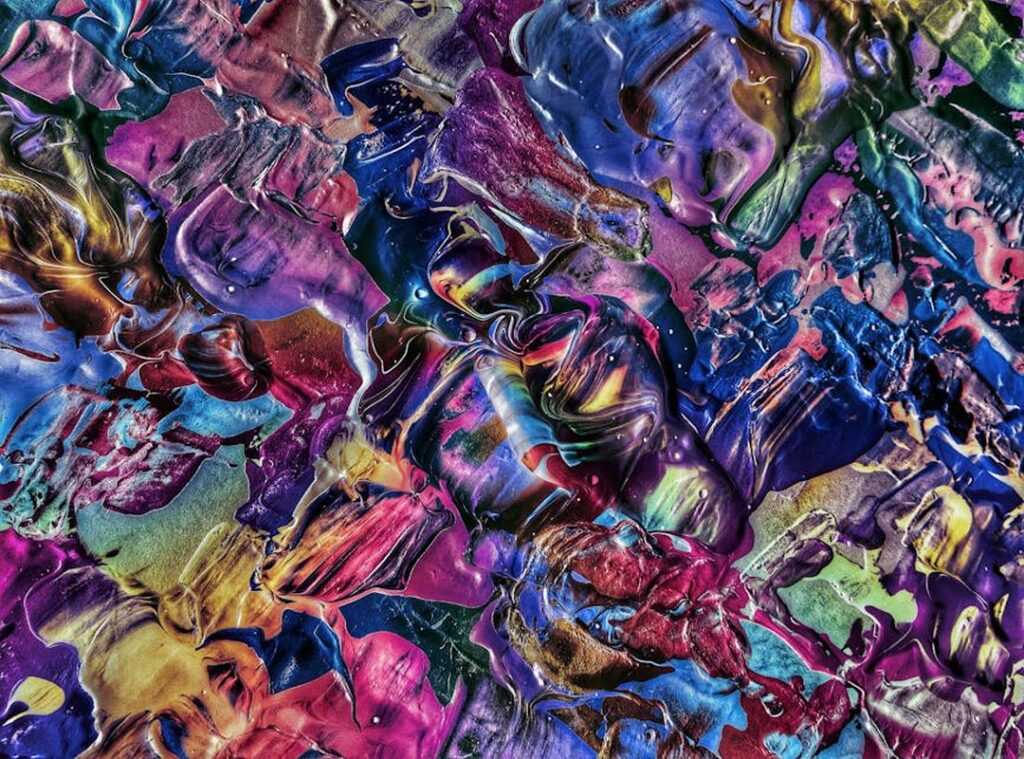
You’re standing in front of a painting.
The label says Art Collections Artypaintgall.
You blink. Is that a gallery? A manifesto?
A startup pitch deck disguised as art history?
I’ve seen this exact moment. Over and over. Collectors squinting at the name.
Artists Googling it mid-contract. Curators whispering, “Wait, is that even real?”
It’s not your fault.
The term floats around like smoke: no clear definition, no consistent usage, zero consensus.
I’ve spent years inside niche art platforms. Cataloged artist-run collections. Built systems for small galleries that don’t have PR teams or SEO budgets.
This isn’t theory. It’s what I do every day.
So let’s cut the fog. No jargon. No speculation.
Just plain answers: what Art Listings Artypaintgall actually refers to, who uses it (and why), how it works on the ground, and whether it matters to you (right) now.
You’ll know by the end if it’s worth your time. Or your money. Or your next studio visit.
Artypaintgall: Not a Gallery. Not a Brand. Just a Label.
I typed “Artypaintgall” into Google, then Instagram, then Artsy. Nothing came up as a business. No LLC filing.
No trademark record.
It’s not a place you walk into. It’s not a logo on a business card. It’s not even a website that sells anything.
So what is it? “Art Collections” is plain English (no) mystery there. “Artype” is lazy shorthand. Artists say it when they mean “art type” or “artist type”. (Like saying “photog” instead of “photographer”.)
“Paintgall” is just “painting” + “gallery” mashed together.
It’s how people text when they’re tired.
I checked domain registrations. No active site at artypaintgall.com. No matching social handles with verified badges.
Just scattered posts from painters tagging their own work. Mostly oil and acrylic still lifes, moody interiors, small-town street scenes.
You’ll see it in captions like “New series: Artypaintgall”.
Or in bio lines: “Curating my Artypaintgall since 2022”.
That’s it. No corporate structure. No marketing team.
Just independent makers naming their own output.
Artypaintgall is a descriptor (not) a destination.
And if you’re searching for Art Listings Artypaintgall, don’t expect a directory. You’ll find feeds. Not filters.
People, not platforms.
Skip the search ads. Go straight to Instagram hashtags. Scroll slow.
Look for the ones who post raw, unbranded, unpolished work.
That’s where it lives. Not in a gallery. Not in a database.
How Real Collectors Use Art Collections Artypaintgall
I don’t call it a collection. I call it a filter.
A Chicago curator tags Instagram posts with Artypaintgall to isolate figurative oil works (no) landscapes, no abstractions, just that specific weight of pigment and gesture. (She’s seen too many feeds drown in noise.)
And a Patreon newsletter drops weekly Artypaintgall-style picks. Not “trending.” Not “undiscovered.” Just pieces that hold the same breath.
A digital archive uses it to group public-domain paintings by brushstroke rhythm and century (not) market value, not artist fame. Just how the paint moves across the surface.
That’s the point: Artypaintgall signals mood, medium, and visual pulse. Not provenance or price.
One collector told me: “#contemporaryart is a landfill. #oilpainting is a hardware store. Artypaintgall is the lens I actually look through.”
Another said: “It stops me from clicking ‘buy’ on something that looks expensive but feels dead in my living room.”
You feel that tension too, right? Scrolling past hundreds of Art Listings Artypaintgall. Only to realize half the thumbnails blur together.
It’s not about owning more. It’s about seeing less. Clearly.
I skip the algorithm now. I apply the filter first.
Why Artists Say “Artypaintgall”. And Why It’s Not a Gallery
I’ve seen it pop up in bios, shop tabs, even Instagram highlights. Not as a brand. Not as a business.
Just Artypaintgall.
One plein air painter uses it to flag her “limited palette series” (same) three tubes, twelve canvases, all painted outdoors in one season. She doesn’t call it a collection. She calls it Artypaintgall.
The abstract expressionist? She reuses the same five compositional templates across 18 pieces. No two look alike (but) the bones are identical.
That’s her Artypaintgall. Not a theme. A constraint.
I go into much more detail on this in Art Articles Artypaintgall.
The hyperrealist portraitist serializes facial expressions: ten subjects, same lighting, same crop. She drops “Artypaintgall” into her shop category like it’s a genre tag. (Which, honestly, it kind of is.)
It’s not about sounding fancy. It’s about saying: I made choices. I stuck with them.
No commercial gallery uses this term. Zero. That’s the point.
It’s anti-curatorial. Grassroots. Studio-born.
It signals intentionality without pretending you’re in MoMA’s basement.
Want to see how real artists apply it? This guide breaks down actual studio habits (not) theory.
“Art Listings Artypaintgall” isn’t a directory.
It’s a quiet flex.
And yeah. I’m not sure if it’ll last five years. But right now?
It’s honest.
Artypaintgall Isn’t a Stamp of Approval (It’s) a Lens
Artypaintgall isn’t a marketplace. It’s not a certification body. And it definitely doesn’t issue badges.
If a site charges you a “listing fee” to appear under Artypaintgall (or) promises “Artypaintgall verification” (run.) That’s not how it works. (That’s how scams work.)
There is no central registry. No governing board. No official database tracking what counts or doesn’t count.
So when someone says “certified Artypaintgall work,” they’re inventing authority.
I’ve seen collectors treat the term like a valuation shortcut. Big mistake. It tells you nothing about resale value, provenance, or even medium authenticity.
Treat it as a starting point. Not a verdict.
Ask yourself:
Does this align with my visual values? Does the artist articulate their process? Is the documentation consistent?
One collector bought a hyper-digital NFT labeled “Artypaintgall-aligned” and later realized the artist had never used physical pigment, mixed media, or analog tools. The core reference points for the term. They reached out.
Got clarity. Returned it.
I go into much more detail on this in Articles art artypaintgall.
Art Listings Artypaintgall should spark curiosity (not) close the deal.
You’re not supposed to trust the label. You’re supposed to look past it.
Building Your Art Collection: A 4-Step Reality Check
I built three collections before I stopped pretending taste was enough.
It’s not about loving everything. It’s about holding one thing steady while everything else moves.
That thing is your paintgall anchor.
Pick one concrete detail (not) “emotion” or “vibe.” Think brushstroke density. Nocturnal lighting. Reclaimed wood supports.
Something you can point to and say yes.
Then audit what you already own.
If a piece doesn’t connect visually with that anchor (toss) it. Or refile it elsewhere. Don’t keep it “just in case.” (I kept a watercolor for two years because the artist was nice.
It ruined the flow.)
Next: acquisition rules.
No more than two new works per quarter. And every single one must include an artist statement that names your anchor. Explicitly.
No vague poetry. No “inspired by nature.” If they didn’t write it down, don’t bring it home.
Document digitally. But skip the fancy CMS.
Just date, medium, and one line on how it hits your anchor.
You’ll see patterns fast. You’ll stop buying filler.
This isn’t theory. I’ve used it for seven years.
If you want to go deeper, this guide walks through real examples. Including how to spot weak anchors before you commit.
Art Listings Artypaintgall? Skip the noise. Start here instead.
Start Curating With Clarity (Not) Confusion
I used to scroll for hours. Searching for meaning in labels that meant nothing.
You’re not building a marketplace. You’re building a mindset. That’s the core truth.
Art Listings Artypaintgall isn’t about sorting. It’s about seeing.
Wasting time on vague categories? Yeah, I’ve been there too. It drains your focus and dulls your eye.
So pick one anchor today. Just one. Review one artwork you own through it.
Write down what shifts.
Not everything changes at once. But something will.
Your collection already has a voice.
Art Collections Artypaintgall is just the first word.
Go open that file. Pull up that piece. Name your anchor (right) now.
Then come back and tell me what you noticed.
 Karen Parker is a vital member of the Sculpture Creation Tips team, where her profound love for the art of sculpting is evident in every piece she works on. With years of experience and a deep understanding of various sculpting techniques, Karen has become a trusted mentor to both beginners and seasoned artists alike. Her dedication to the craft is matched only by her passion for teaching, as she creates detailed, easy-to-follow tutorials that help others bring their artistic visions to life. Karen's expertise spans a wide range of materials and styles, allowing her to offer invaluable insights that cater to a diverse audience. Whether through her hands-on guidance or her thoughtful advice, Karen's contributions are instrumental in nurturing a vibrant and supportive community of sculptors, all united by a shared love for this timeless art form.