Your hands are shaking.
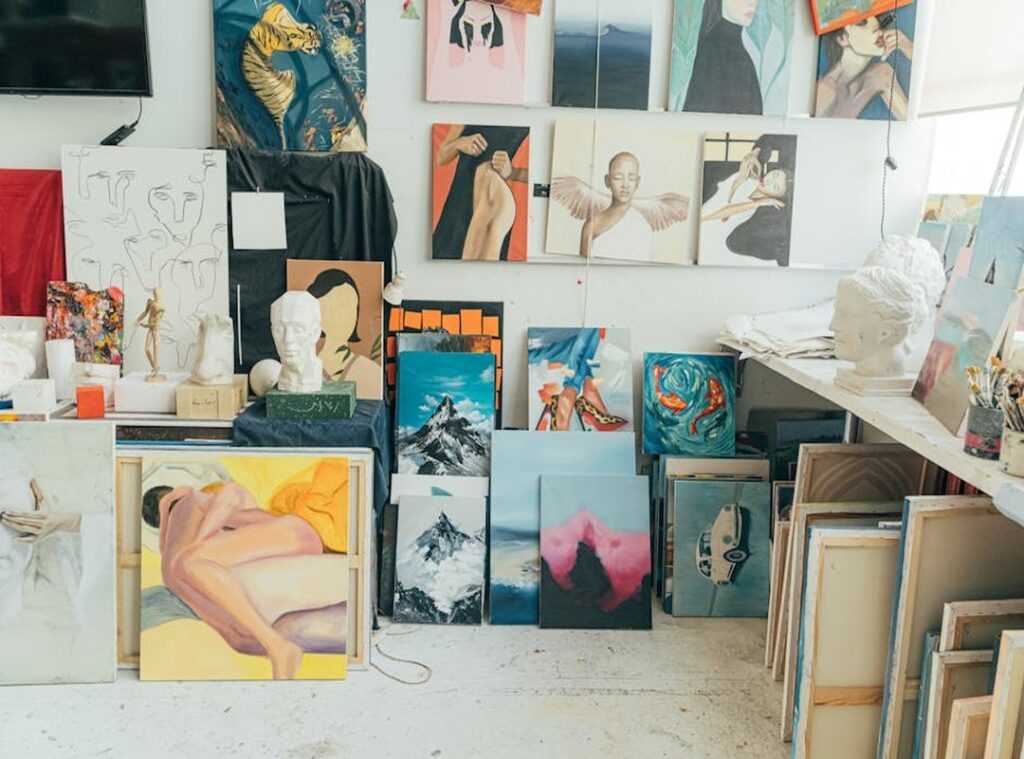
You’re standing in front of your first real gallery wall. Paints still smell fresh. Your stomach’s tight.
You keep checking the door. Will anyone come in? Will they see it?
Most artists I know have lived that moment. And then lived the next one: scrolling endlessly through feeds full of noise, no real eyes on their work.
That’s not visibility. That’s just shouting into a crowd.
Art Directory Artypaintgall isn’t another portfolio dump. It’s not an algorithm guessing what you should see.
It’s a curated space. Real people pick real work. No gatekeepers.
No pay-to-play. Just artists and collectors who actually talk to each other.
I’ve watched dozens of artists launch here (not) with hype, but with quiet momentum. Saw how fast things changed when someone finally saw their work.
This article tells you exactly what that space offers. Not theory. Not promises.
What happens when you step in.
You’ll learn how artists get found (and) how collectors find work that matters.
No fluff. Just what works.
Art Showcase Artypaintgall Isn’t Just Another Upload-and-Forget
I tried those generic portfolio platforms. You know the ones. Drag, drop, pray.
They treat art like JPEGs in a Dropbox folder. No questions asked. No eyes on it.
Just pixels and algorithms.
Artypaintgall is different. It’s human-led from start to finish.
Every submission gets two checks: one for technical quality (no blurry scans, no crushed files), and one for thematic resonance. Does this piece say something? Does it hold up next to others in the same show?
That’s not how Instagram or Behance works. They rank by engagement. I’ve seen technically flawed work go viral because someone tagged a celebrity.
(Spoiler: that doesn’t help your career long-term.)
Featured artists get real context (not) just thumbnails. Artist statements. Process notes.
Why they chose that medium. What the pigment does under studio light.
No paywall. Collectors browse free. Artists keep full rights.
And full control over pricing.
Most sites take 20% or lock you into exclusivity. Artypaintgall doesn’t.
The Art Directory Artypaintgall stands out because it treats artists like people (not) traffic sources.
You want your work seen. Not scrolled past.
So ask yourself: do you want likes. Or resonance?
What Artists Actually Need to Submit. And What Gets Overlooked
I’ve reviewed hundreds of submissions. Most get rejected. Not for weak work (but) because they missed one dumb thing.
You need 5. 8 high-res images. Not 4. Not 9.
Five to eight. JPEG or TIFF only. No PNGs unless you’re submitting animation stills (and even then, ask first).
A 150-word bio. Not 149. Not 151.
Just 150. Cut the fluff. Say who you are.
Where you’re based. What you make. Done.
A 200-word statement. Not a manifesto. Not your MFA thesis.
Tell me why this body of work exists now. Why it matters to you. Not to art history.
One short video or audio clip? Optional. But I’ll always watch it.
Seriously. Do it.
The most missed item? Consistent color calibration. Your red on screen must match your red in print.
If it doesn’t, your work gets cut from physical shows. Period.
Over-editing kills submissions. I saw a watercolor scan where the artist boosted contrast so much, the paper texture vanished. The real piece had visible tooth and bleed.
The file looked like acrylic. Don’t do that.
Series-based work wins. A tight 6-piece sequence beats one killer outlier. Curators think in rhythm.
Not singles.
Response time? 72 hours. If we ask for revisions, it’s not a penalty. It’s collaboration.
How Collectors Actually Use Artypaintgall
I browse like a person. Not a bot. Not “art for investment.” Just: What stops me mid-scroll?
You start by mood, medium, or region. Not categories. Not filters.
You click “urban decay palette” and suddenly you’re looking at rust-toned linocuts from Detroit. Or “textile memory” pulls up embroidered maps of lost neighborhoods. (Yes, that’s a real tag.)
I save pieces fast. Then I request a studio visit. Or skip straight to commissioning.
Context tags beat “abstract” or “contemporary” every time.
No gatekeepers. No waiting for a gallery rep to get back to me.
Here’s a real inquiry I saw last week: “Large-scale abstract under $2,500. Archival pigment inks only. Needs to ship flat (no) frame.” Specific.
Human. Done.
Privacy isn’t a feature here. It’s the baseline. No public bids.
No auction countdowns breathing down your neck. And zero listing fees passed to collectors (so) no surprise markups.
Every artist on the Articles Art Artypaintgall page has verified contact info and clear shipping terms. No middlemen. No “we’ll get back to you.”
The Art Directory Artypaintgall doesn’t sell art. It connects people who make things with people who live with them.
That’s it.
No fluff.
No hype.
Just work that lands.
Behind the Scenes: How We Pick What You See
I run the curation calendar. Not as a spreadsheet god. But as someone who’s missed deadlines, misread submissions, and learned the hard way that timing changes everything.
We work in quarters. Open call → internal review → artist feedback round → theme-based grouping → live showcase launch. That last step?
It’s not just “go live.” It’s syncing with real life.
Spring showcases drop in March. Why? Because art fairs heat up in April and May (and) artists need sharp, ready-to-share work.
Fall launches hit October. That’s when galleries lock holiday gifting lists and commission budgets get approved. (Yes, we watch those calendars.)
Our four annual themes. Material Memory, Threshold Spaces, Quiet Resistance, Luminous Systems. Aren’t boxes. They’re lenses.
A ceramicist revisiting family glaze recipes fits Material Memory. A sound artist recording doorways fits Threshold Spaces. I reject rigid categories.
I chase resonance.
The Emerging Voices spotlight? First-time submitters get extended feedback. And a mentor pairing.
Not just “good luck.” Actual guidance.
Re-submission is always welcome. Always. And every non-acceptance comes with notes on growth pathways.
Not vague praise. Specific next steps.
This isn’t about gatekeeping. It’s about keeping the Art Directory Artypaintgall alive with work that lands (not) just looks good on a screen.
You ever submit something and wonder what happened? Yeah. I know.
First Submission: No Stress, Just Steps
I set up my account in 90 seconds. You can too.
Step one: make your Art Directory Artypaintgall account. Skip the “forgot password” trap. Use a real email you check.
Step two: prep your files before you log in. JPEG or PNG only. sRGB. Minimum 2400px on the longest side.
Name them like this: SmithSunset01.jpg. Not IMG1234.jpg. Not finalFINAL_v2.jpg.
Step three: write your artist statement first. Seriously. Draft it before you pick a single image.
That way your visuals back up your words. Not the other way around. (Pro tip: I do this with a timer. 25 minutes max.)
Step four: skip screenshots. Skip Instagram exports. They’re blurry.
They’re wrong. Upload straight from your camera roll or desktop.
Step five: hit submit. You’ll get confirmation in under two minutes. Most first submissions take less than 90 minutes total (not) days.
If you’re overthinking it, stop. You don’t need perfection. You need clarity.
For more practical guidance, read the Fine Art Articles.
Launch Your Next Chapter With Intention
I built Art Directory Artypaintgall for one reason: to get your work seen (no) gatekeeping, no guesswork.
You spent hours mixing pigment. You rewrote that artist statement three times. You know your piece matters.
So why does every other platform make you beg for attention?
Curation here isn’t about trends. It’s about material honesty. Narrative clarity.
Mutual respect.
That’s not fluff. That’s the difference between being scrolled past (and) being remembered.
You’ve got a piece you made in the last six months that still hums when you look at it. Right? That one.
Start the submission checklist today. It takes twelve minutes. Not two weeks.
Not “when you have time.”
Your art doesn’t need permission to be seen. It needs the right frame.
Go submit.
 Karen Parker is a vital member of the Sculpture Creation Tips team, where her profound love for the art of sculpting is evident in every piece she works on. With years of experience and a deep understanding of various sculpting techniques, Karen has become a trusted mentor to both beginners and seasoned artists alike. Her dedication to the craft is matched only by her passion for teaching, as she creates detailed, easy-to-follow tutorials that help others bring their artistic visions to life. Karen's expertise spans a wide range of materials and styles, allowing her to offer invaluable insights that cater to a diverse audience. Whether through her hands-on guidance or her thoughtful advice, Karen's contributions are instrumental in nurturing a vibrant and supportive community of sculptors, all united by a shared love for this timeless art form.