What Makes a Great Air Dry Clay
Not all air dry clays play the same. If you’re sculpting anything meant to last or even just trying to finish a piece without watching it crack in half you need to know what to look for.
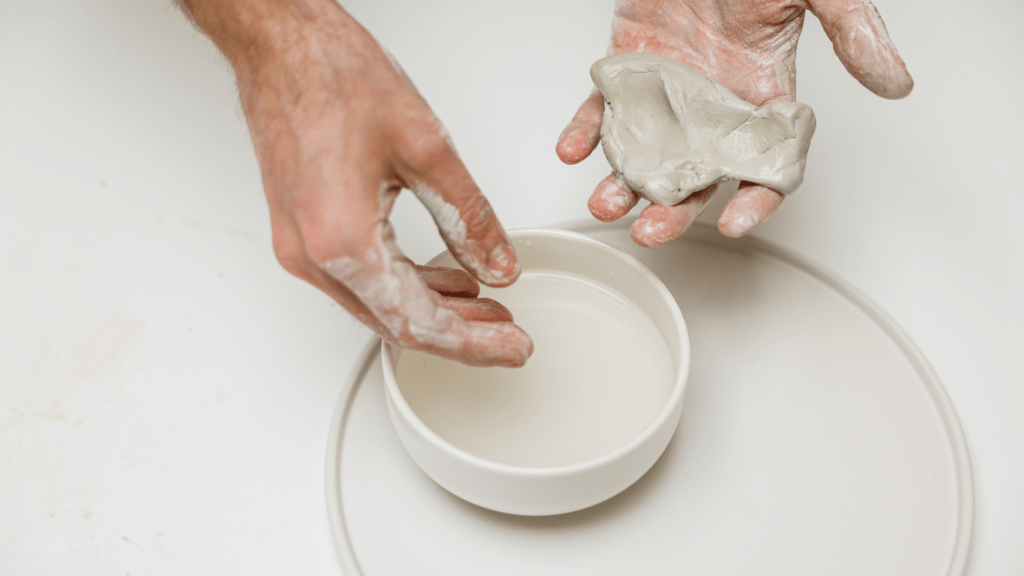
Start with workability. A good clay should be smooth, pliable, and respond well to hand shaping or tools. If it’s too sticky, too dry, or crumbles fast, it’ll fight you every inch of the way. Workability matters most when you’re dealing with fine detail or layered builds it’s the difference between flowing with your idea or wrestling it into submission.
Next up: drying time and durability. Fast dry clays sound convenient, but they’re often brittle. Slower drying ones give you time to make adjustments and bond layers, and tend to crack less. Cracks, by the way, often show up because moisture evaporates unevenly or the clay is applied too thick. Thinner, even layers help, but so does picking a brand that’s designed to flex a bit as it cures.
Last: match the clay to your project. Big sculptures or base structures need clays that dry solid and resist warping look for coarse or heavy bodied mixes. If you’re working on small figurines, intricate forms, or anything highly detailed, you’re better off with something ultra smooth and light that holds clean edges.
Bottom line? The best clay is the one that fits the work, not just the budget or brand label.
Top Picks and How They Stack Up
Not all air dry clays behave the same, and in 2024, a few brands are separating themselves from the rest. DAS, Activa, and Crayola remain go to choices for different reasons. DAS is known for its durability and finish; it’s hard to beat for sculptors who want minimal cracking and a smooth post dry surface. Activa is all about workability it’s soft, forgiving, and ideal for detailed projects. Crayola Air Dry, while often dismissed as kid focused, is a strong choice for beginners and hobbyists looking for an easy start with low shrinkage.
Side by side, these clays perform differently. DAS dries harder but can develop small cracks if used too thick. Activa stays pliable longer but needs reinforcement on large builds. Crayola won’t win on strength, but its texture holds up well during long sculpting sessions. Shrinkage varies too, with Activa keeping its shape best and DAS pulling the most especially in dry climates.
Indoor vs. outdoor makes a difference. Most air dry clays aren’t recommended for outdoor use without sealing, but DAS holds up better than most if finished properly. If your piece is heading outside, coat it with outdoor grade sealers or reconsider the medium altogether.
For a deeper comparison across key performance metrics, check out this side by side breakdown: Top sculpting clay options.
Sculptor Proven Use Cases

Not all air dry clays are built the same and when you’re sculpting, detail and structure matter. For fine detail work, sculptors keep reaching for brands like La Doll and Premier. These clays hold tiny lines and textures better than most, especially once semi dry. They sand well, accept paint cleanly, and don’t crumble under delicate touch. Think character sculpts, jewelry, dollmaking any project where precision wins.
For large builds or base structures, you’re better off going with heavier body clays like Amaco Stonex or Activa Plus. They’re dense, cheap per pound, and less likely to deform during drying. They shrink more than detail clays, so plan ahead. Some artists even start with these bulk clays for the internal mass, then layer detail clay on top once the form is stable.
And what’s trending in 2024? A mix. Teachers are defaulting to non toxic, low dust options like DAS for classrooms. Professionals are using dual clay workflows to balance cost and fidelity. Hobbyists lean toward newer hybrids that dry tougher but still stay workable, like Jovi Air Dry. Bottom line: the best clay isn’t universal it’s about what your piece needs and where it’s headed.
Curing and Finishing Tips That Matter
Air dry clay sounds simple leave it out and let it set but the drying process can make or break your final piece. Different brands react differently to heat, humidity, and airflow. Soft, flexible clays like La Doll or Hearty benefit from a slow, consistent dry. Rapid drying think fans or sunny windows can cause surface cracks or internal stress. Denser clays like Activa work well in drier environments but still prefer shade and patience. Always check manufacturer instructions, but rule of thumb: slow and steady keeps your piece intact.
Once cured, surface prep is key before painting or sealing. A quick sanding with fine grit paper can smooth any ridges. Wipe it down with a barely damp cloth to remove dust. For porous clays, a primer or thin layer of white acrylic paint gives a more even finish and helps seal the surface for paint or varnish.
To dodge warping or cracking especially on large builds or flat surfaces don’t skip the basics. Roll clay to even thickness. Flip it periodically during the dry phase, and support edges with foam or paper towel rolls as needed. You don’t need fancy tools, just attention and patience.
Get More from Your Clay
Stretching the life and performance of your air dry clay isn’t just good for your wallet it also ensures your projects stay consistent in texture and finish. Here’s how sculptors are getting smarter with their materials.
Smart Storage = Less Waste
Preventing your clay from drying out prematurely is key to minimizing waste and material costs.
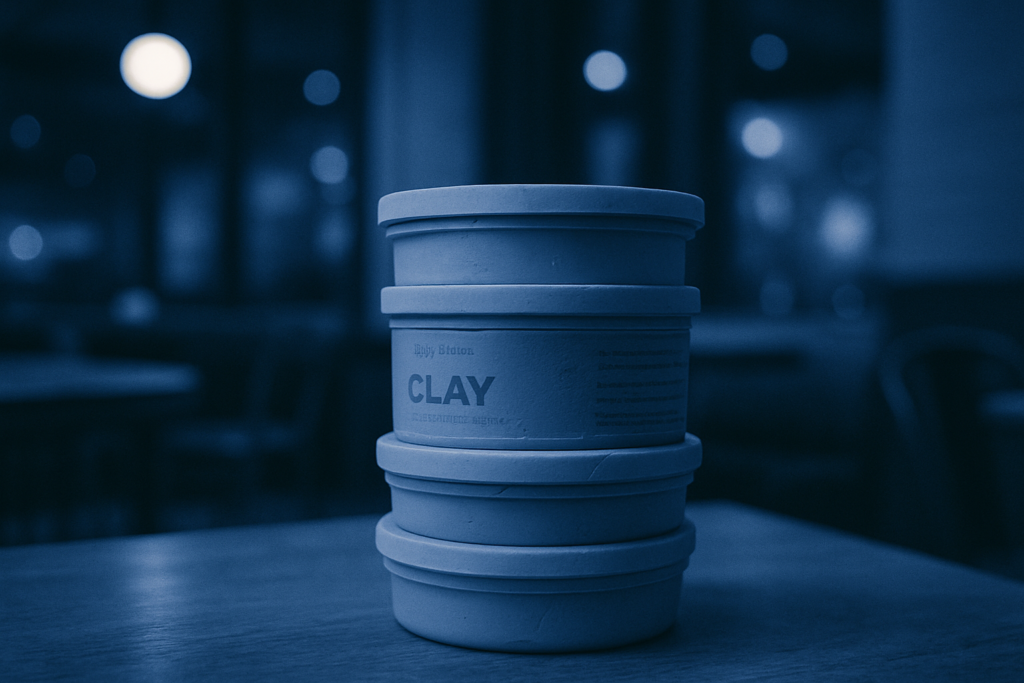
Use airtight containers: Seal clay in plastic tubs or heavy duty zip bags. Push out extra air before sealing.
Wrap in damp cloth: For short term breaks, wrapping your clay in a slightly damp cloth will keep it workable.
Label your clay: Track opening dates to monitor freshness, especially if working with multiple brands.
Reuse and Revive Scraps
Small offcuts and dried edges don’t have to go to waste. With the right approach, you can bring many scraps back to life or find creative uses for them.
Mist and knead: Lightly mist dry clay with water and knead it gradually until pliable.
Hand grind and repurpose: Dry bits can be crushed and used as fill material in armatures or practice pieces.
Blend similar types: As long as dry times and compositions match closely, mixing scraps can help maintain bulk.
Know When to Switch Clay
Not all projects are right for the same type of clay. If you’re running into repeated issues, it may be time to rethink your material.
For fine detailing: Choose a fine grain, smooth bodied clay with minimal cracking.
For larger works: Opt for a structurally stronger clay that supports its own weight while drying.
For mixed media: Use a clay that bonds well with wood, wire, or canvas, depending on your substrates.
Still unsure which clay suits your needs best? Check out our full comparison guide: Top sculpting clay options
 Harrison Lee plays a vital role at Sculpture Creation Tips, where his passion for the art of sculpture is evident in everything he does. With a comprehensive understanding of both classical and contemporary sculpting techniques, Harrison is committed to guiding and educating artists, whether they are just beginning their journey or are seasoned professionals. His approach goes beyond merely teaching technical skills; he encourages artists to explore and develop their unique artistic voices, pushing the boundaries of their creativity. Harrison's expertise and dedication make him an invaluable resource, not just for honing craftsmanship but also for inspiring innovation within the sculpting community. His ability to foster a supportive, dynamic learning environment ensures that every artist he works with is equipped to reach new heights in their artistic endeavors. Harrison's contribution to Sculpture Creation Tips is instrumental in its mission to elevate the art of sculpture and empower artists to achieve their full potential.