What Makes Sculpting Tools Last?
Durability is a key consideration when selecting sculpting tools. From the type of material used to how the tool is forged and how often it is used, several factors determine how long a tool can withstand the demands of carving, chiseling, or detailing. Let’s break it down:
Core Materials: High Carbon Steel vs. Carbide Tips
Not all metals are created equal, and the material a tool is made from plays a major role in its long term performance.
High carbon steel
Offers strength and toughness
Easier to sharpen and maintain
Prone to corrosion if not properly cared for
Carbide tips
Extremely hard and wear resistant
Hold their edge longer, especially under intense use
More brittle and can chip if misused
Heat Treatment and Forging Techniques
How a tool is processed during manufacturing greatly impacts its resilience:
Heat treated steel enhances hardness and edge retention
Forged tools are compressed and shaped under intense pressure, leading to better structural integrity
Precision tempering balances hardness with flexibility, which reduces the risk of breakage
Usage Patterns in Real World Settings
Even the best materials and craftsmanship can only go so far how you use your tools matters just as much:
High frequency usage (such as in a daily studio practice) leads to faster wear regardless of material
Type of material being sculpted (stone vs. soft wax or clay) affects the rate of erosion or dulling
Technique and pressure applied by the artist can either preserve or prematurely damage tools
Maintaining a balance between tool quality and smart usage habits is essential for any sculptor investing in their craft.
Stone Carving Tools: Built for Brutal Surfaces
Stone is a sculptor’s ultimate test and the tools used must be engineered to meet that challenge. Unlike softer sculpting materials, stone resists every strike, driving a need for tools that can handle massive stress and abrasion.
Built to Take a Beating
Stone carving tools are specifically designed to withstand constant, high impact use. This includes:
Thicker, reinforced tips for heavy blows
Shock absorbing handles to reduce fatigue
Tempered steel for added resilience
Whether you’re roughing out or detailing, stone tools must deliver consistent strength without cracking or dulling too quickly.
How Material Affects Tool Lifespan
Different types of stone demand different levels of tool endurance:
Granite: Extremely hard and abrasive; rapidly wears edges down.
Marble: Softer than granite but still requires regular edge maintenance.
Limestone: Easier to carve but still punishes weaker tools over time.
No matter the stone, prolonged use will test even the toughest blades.
Sharpening: A Constant in Stone Work
Dealing with wear is part of the craft. Stone sculpting naturally dulls edges through repeated contact with unyielding surfaces. Even premium tools need consistent upkeep.
Keep Tools Sharp By:
Using proper sharpening stones or grinders
Maintaining correct bevel angles
Sharpening during not just after a project
Developing a reliable maintenance rhythm is essential to both performance and safety.
Pro Recommended Tools
For those looking to upgrade, check out this expert curated list of stone sculpting chisels. These tools are selected for their durability, edge retention, and sculptor approved ergonomics.
Investing in the right set doesn’t just prolong tool life it can elevate your craft.
Metal Sculpting Tools: Precision Under Pressure
Sculpting metal isn’t about brute force it’s about control, technique, and choosing the right tool for the job. Whether shaping bronze, working steel, or fine tuning aluminum, each metal interacts differently with your hand and edge. That means your tools need to keep up.
Start with the core four: punches for shaping and indenting, wax tools for fine detail and model stages, grinders for power based refinement, and abrasives for smoothing and finishing. These tools are designed for precision, and they need to deliver clean results again and again.
Durability really comes down to two factors: corrosion resistance and edge retention. Bronze and aluminum are more forgiving, but working with harder metals like steel will chew up a soft tool quick. That’s why professionals reach for stainless or high speed steel for cutting edges and prefer tools with coated or hardened surfaces. A tool that dulls too soon or rusts after a few studio sessions isn’t just annoying it compromises the art.
Metal sculpting demands tools that don’t quit mid process. Select for quality steel, stay on top of maintenance, and don’t ignore those tiny stress cracks. They add up. When your tools work as cleanly on day 100 as they did on day one, you know you’re using the right stuff.
Durability Face Off: Stone vs. Metal Tools
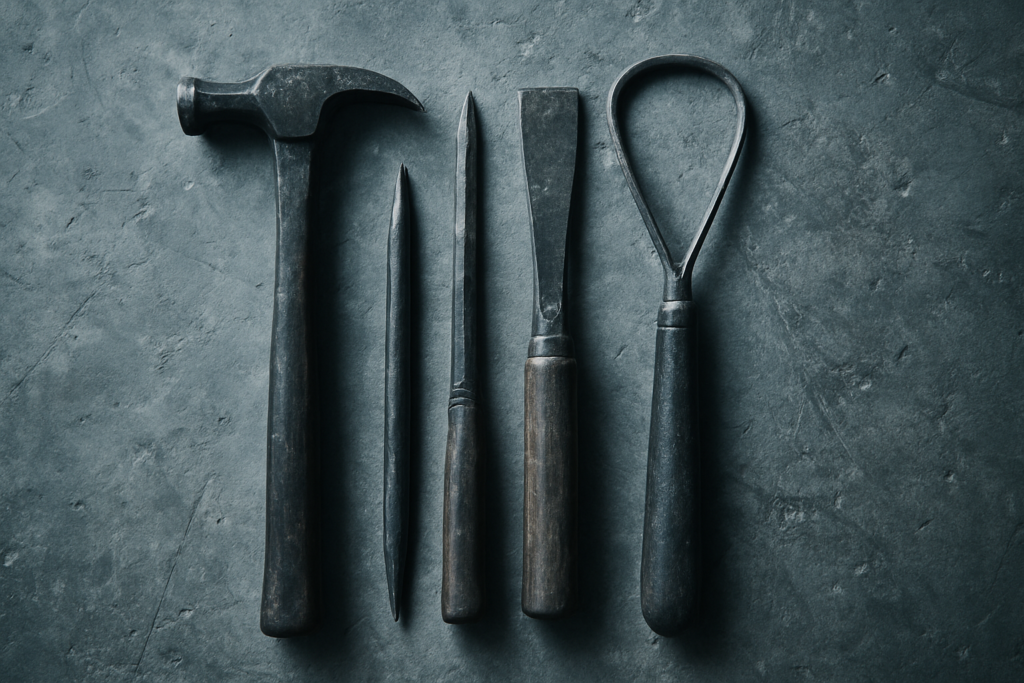
When you pit stone carving tools against metal sculpting tools, the wear and tear story tells you everything you need to know about durability. Stone tools chisels, hammers, and points take a beating against granite and marble. The abrasive force of mineral surfaces grinds down edges fast, even on hardened steel. You’ll sharpen often or swap out sooner. Weight, strike tolerance, and material hardness mean everything here.
Metal sculpting tools face a different set of stressors. Precision punches, wax tools, and abrasives get slower wear from softer working materials like bronze or aluminum but they have to be exact. Edge retention, anti corrosion treatment, and fine tip integrity matter more. In sculpting metals, a warped tool edge can ruin hours of detail work. Still, these tools don’t need sharpening as often and can stay useful longer if maintained right.
So which takes more punishment? Stone tools by far. But which survive longer? That depends on what you’re carving and how well you care for your kit.
Cost wise, top tier carbide tipped tools or forged steel sets for stone carving can be expensive but they earn their price in longevity across tough stone. Metal sculpting tools vary widely, but a solid mid range set will last years with basic cleaning and storage. If you’re investing for the long haul, prioritize build quality over brand hype, especially if you’re working daily. The smartest money goes to the tools that take abuse and still give you clean lines.
When to Replace and When to Restore
Spotting the Signs of Tool Wear
Durability doesn’t mean immortality. Even the best made sculpting tools show wear over time. Knowing what to look for can help you decide whether it’s time for restoration or replacement.
Common signs your tools are wearing out:
Rounded or chipped edges on chisels and carving points
Hairline cracks, especially near joints or cutting edges
Tools that lose sharpness quickly, even after sharpening
Excessive rust or corrosion that compromises integrity
Handles that feel loose, splintered, or uncomfortable to grip
If your tools begin slipping during use or require more force than usual, their effectiveness is already compromised.
Maintenance Habits That Extend Tool Life
Proper maintenance can dramatically extend the life of sculpting tools. A small investment of time after each use can mean fewer replacements in the long run.
Maintenance tips:
Clean tools thoroughly after every session remove dust, filings, and moisture
Store tools in a dry environment to prevent rust and corrosion
Apply a light coat of oil to metal surfaces if storing tools long term
Inspect regularly for signs of stress or wear
Use the right tool for the material don’t push tools beyond their design
Why a Sharpening Routine Is Non Negotiable
Dull tools aren’t just inefficient they’re dangerous. A sharp edge requires less force and offers better control, especially on hard materials like stone and metal.
Benefits of regular sharpening:
Better precision and cleaner cuts
Reduced chance of tool slippage
Less user fatigue during long sculpting sessions
Develop a schedule based on your usage. Daily users might need weekly sharpening, while occasional sculptors can space it out. Either way, having quality sharpening stones or kits on hand is a necessity.
Regular maintenance turns expensive tools into long term investments respect the edge, and it will do the same for your work.
Tools That Go the Distance
Durability in sculpting tools isn’t just about material choice it’s about how the tool is engineered. The design and construction features determine whether a chisel or punch can endure years of force, heat, and exposure.
Key Construction Features to Look For
If you want sculpting tools that last, pay attention to these structural elements:
Full Tangs: Tools with tangs that run the full length of the handle offer superior strength and stability, especially for heavy hitting tasks.
Fused Tips: Welded or fused tips resist separation and breakage over time, making them ideal for repetitive, high impact carving.
Reinforced Edges: Hardened or treated edges maintain their shape longer, even after continuous sharpening or use on abrasive materials.
These features are non negotiable for professionals who rely on tools that won’t fail mid project.
Trusted Brands and Workhorse Models
Seasoned sculptors often gravitate toward brands with a reputation for long term durability. Some of the most trusted names include:
Trow & Holden: Known for handcrafted stone carving tools that are built to take a beating.
Pfeil Swiss Made: Offers finely forged metalworking tools with excellent edge retention.
Sculpture House: A go to for general purpose and educational grade sculpting tools, with surprising durability.
Foredom: Especially favored for metal sculpting due to their robust rotary tools and grinders.
Each of these brands offers tools designed to withstand the unique stresses of either stone or metal sculpting.
Insider Picks: Tools Sculptors Recommend
For sculptors looking to invest wisely, community tested recommendations are invaluable. One widely recommended resource is this curated guide to essential gear:
Top Chisels and Hammers for Stone Sculpting A Detailed Guide
This guide breaks down specific models by use case, material compatibility, and durability under pressure a must read before restocking your toolkit.
The bottom line: not all tools are created equal. The best ones combine thoughtful construction with proven field performance to deliver lasting value.
Final Take
Both stone and metal sculpting tools are built for toughness but toughness looks different depending on the material you’re shaping. If you’re working granite, you need chisels that can take blunt force, over and over. If you’re shaping bronze, you need precision that won’t warp under pressure. One isn’t better than the other it’s about matching the tool to the task.
Durability also isn’t just hard steel or fused tips it’s how you treat your gear. A high end chisel won’t last long if you toss it in a box covered in grit. A quality punch can dull fast if you’re rushing and skipping maintenance. The takeaway? The best tools only last if the sculptor does the work sharpening, cleaning, storing right. In the end, longevity isn’t luck. It’s discipline.
 Karen Parker is a vital member of the Sculpture Creation Tips team, where her profound love for the art of sculpting is evident in every piece she works on. With years of experience and a deep understanding of various sculpting techniques, Karen has become a trusted mentor to both beginners and seasoned artists alike. Her dedication to the craft is matched only by her passion for teaching, as she creates detailed, easy-to-follow tutorials that help others bring their artistic visions to life. Karen's expertise spans a wide range of materials and styles, allowing her to offer invaluable insights that cater to a diverse audience. Whether through her hands-on guidance or her thoughtful advice, Karen's contributions are instrumental in nurturing a vibrant and supportive community of sculptors, all united by a shared love for this timeless art form.