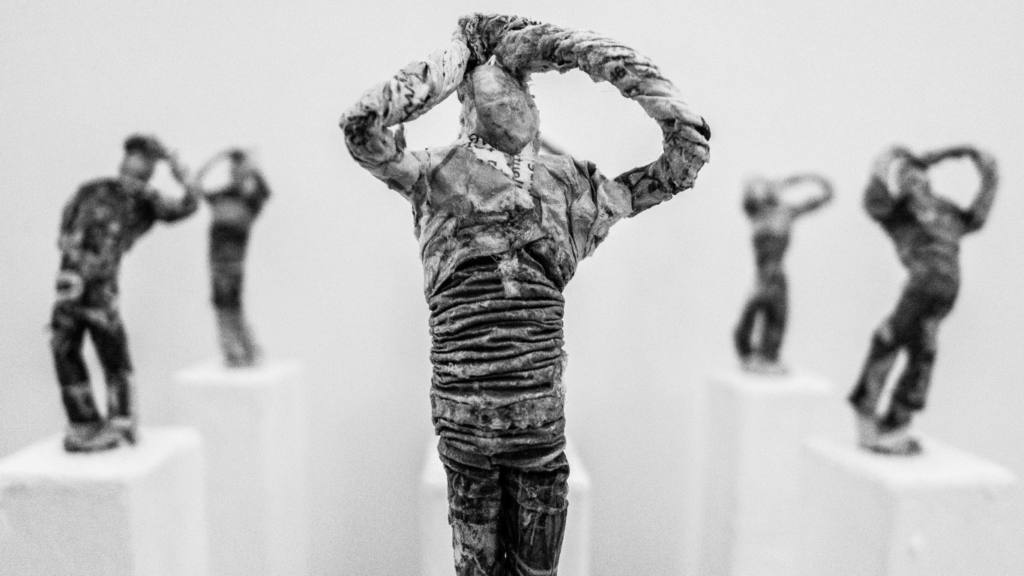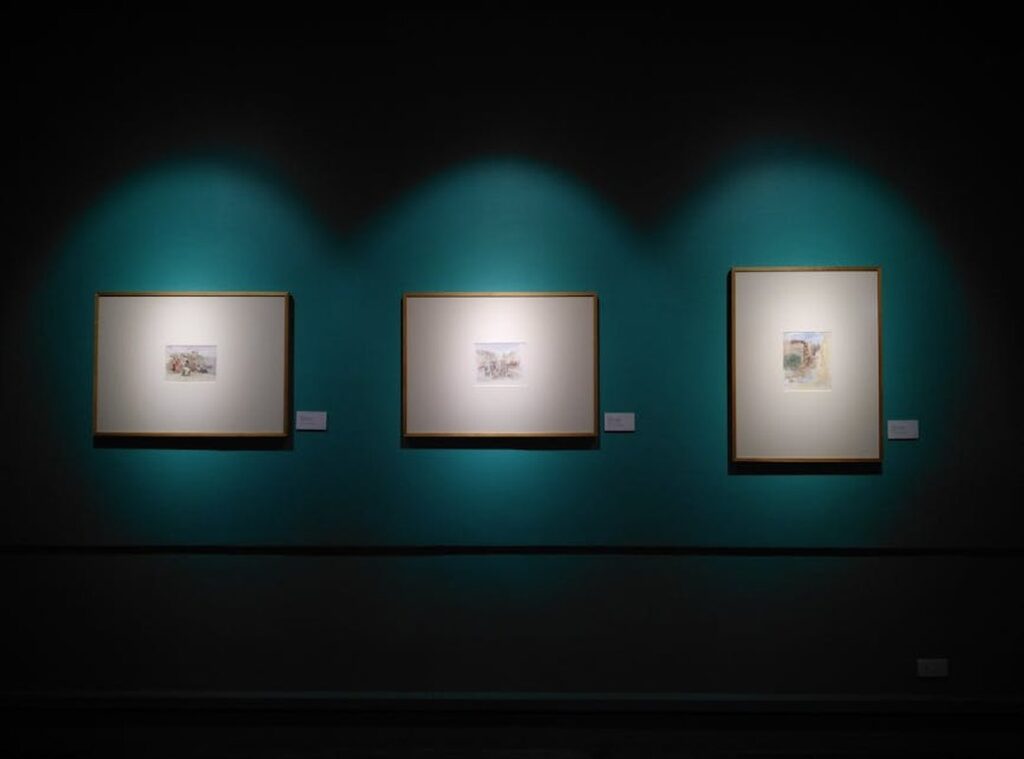
I stood in front of that neon-lit sculpture last month and felt it. Awe, yes, but also this quiet panic.
What am I supposed to do with this feeling?
You’ve been there too. Staring at a wall label written like a tax code. Scrolling past an online exhibition with zero context.
Leaving a gallery thinking, I missed something.
That’s not your fault.
It’s the problem: Exhibitions Arcyhist are buried under jargon, scattered schedules, or zero guidance on how to look.
I’ve spent ten years building gallery education programs. I’ve sat through hundreds of visitor interviews. I’ve watched people walk right past the most important piece because the label didn’t tell them why it mattered.
This isn’t about art history trivia. It’s about walking into a room and knowing where to start. It’s about choosing the right time to go (or) knowing how to get the same depth from home.
No fluff. No gatekeeping. Just clear, direct help for real people who want to understand what they’re seeing.
By the end, you’ll know how to plan, how to read, and how to leave full. Not frustrated.
Why Your Eyes Need Walls Right Now
You ever stand in front of a Rothko and feel your breath slow? I have. It’s not the color.
It’s the presence. The weight of the paint. The crackle in the varnish.
Algorithms can’t replicate that.
Digital feeds scroll. Exhibitions hold you. They force time.
They demand attention. They don’t ask you to like or share (they) ask you to stand there.
A 2023 Stanford study found people remembered 68% more about an artwork seen in person versus the same piece on a tablet. Not surprising. Your brain processes texture, scale, light shift.
Things no screen renders.
Curated exhibitions tell stories. Algorithmic feeds serve cravings. One is intentional.
The other is reactive. Guess which one builds understanding?
I saw an exhibition last year on Alma Thomas. Before that show? She was footnotes.
After? Major museums scrambled for her work. One room changed everything.
Exhibitions this post. That’s where curation meets consequence.
Arcyhist shows how small choices in layout and lighting reshape what people take home.
AR overlays? Yes. Multilingual audio?
Absolutely. But none of it replaces standing three feet from a sculpture and feeling its shadow move as you walk.
You’re not just looking. You’re in it. That’s irreplaceable.
How to Pick Exhibitions That Actually Stick With You
I skip more shows than I attend. And I’m not sorry about it.
You want a filter. Not fluff. Here’s what I use:
- Does the theme connect to something real in your life right now? Not just “interesting” (but) urgent or unsettling or familiar in a way you can’t ignore. 2.
Who curated it? A big-name museum director? Or someone with actual skin in the game.
Like a poet who organizes pop-up shows in laundromats? (Spoiler: I trust the second one more.)
- Whose voices are centered?
Not just “diverse” as a checkbox (but) whose labor, language, and history shape the hang? 4. Can you get in? Wheelchair ramps?
Sensory-friendly hours? Captions on video? If not, it’s not inclusive.
It’s performative.
Popularity lies. Remember the 2023 Exhibitions Arcyhist pop-up in Detroit? No Instagram wall.
Just six Black quilters and a borrowed church basement. People waited two hours. One woman told me she cried in the coatroom.
A MoMA blockbuster that same month? Felt like shopping at IKEA.
Free resources that don’t suck:
- Hyperallergic’s exhibition calendar
- Your city’s arts council newsletter (yes, they send those)
3.
Museum press release archives (boring name, goldmine)
Ask yourself: Does this show challenge my assumptions? Amplify new perspectives? Invite reflection.
Not just consumption?
If the answer’s no to all three? Walk away. Your time isn’t renewable.
How to Actually Remember What You Saw
I used to walk out of museums and forget half the show by lunchtime.
Then I stopped treating visits like errands. Now I treat them like conversations.
Before you go: spend ten minutes on the exhibition’s central question. Not the checklist. Not the artist bio.
The actual question the show asks. (It’s usually in the first wall text.) Pick one anchor artwork (just) one. That pulls you in.
You’ll circle back to it later. That’s your compass.
During the visit: try the 3-3-3 method. Stand silently for three minutes. No phone.
No label. Just look. Then read the label. after you’ve looked.
Then write one thing: a memory, a question, or a weird feeling it gave you.
Tired? Do one room deep. Overwhelmed?
Skip the labels and use an audio-only tour. (Yes, those exist (and) they’re gold for neurodivergent visitors.)
Afterward: tell one friend one insight. Not a photo. Not “it was cool.” Say what shifted for you.
Then skim the museum’s educator notes or curator interview online. They’re shorter than you think.
A first-time visitor told me: “I picked one painting, sat with it twice, and left crying (not) because it was sad, but because I finally saw something.”
That’s how you beat fatigue. That’s how you beat intimidation.
And if you want deeper context on current shows, check out Art News.
Exhibitions Arcyhist aren’t about checking boxes.
They’re about showing up. Then staying present long enough for something to stick.
You’ll remember more. You’ll feel less rushed.
Art Doesn’t Wait for Permission

I saw a climate exhibition in Portland that used melted wax sculptures and live air-quality feeds. Three months later, the city approved $2.1 million in neighborhood sustainability grants. That wasn’t coincidence.
It was pressure (polite,) persistent, visual.
Wall color matters. I once watched people linger 47 seconds longer in a room painted warm gray versus stark white. Lighting isn’t just mood.
It’s attention control. Seating? That’s where empathy lives or dies.
Participatory shows work because they force you to do something. Not just look. Not just nod.
One exhibit in Detroit invited residents to pin handwritten stories about displacement onto a giant map. Those pins became part of the permanent archive.
People say “art is separate from life.”
Then I see headlines quoting the same phrases from an exhibition’s wall text.
Then I see middle-schoolers using its framing in history projects.
That’s how change spreads. Slowly. Relentlessly.
Through repetition and resonance.
Exhibitions Arcyhist proved it. Not with theory, but with receipts. You think your local museum show doesn’t ripple outward?
Try telling that to the school board that just rewrote its civics curriculum.
Virtual Art Access: Who’s Doing It Right?
I’ve sat through too many so-called virtual exhibitions that are just JPEGs slapped on a webpage. (Yawn.)
Real access means intentionality. A 360° walkthrough with curator voiceovers? That’s labor.
That’s respect. An image dump with no context? That’s laziness dressed as accessibility.
Ethics aren’t optional extras. If a museum loans a sacred object, the label must say why it’s on loan (and) who approved it. If provenance is contested, say so.
If conservation limits what you can show online, admit it. Hiding behind vague language isn’t neutral. It’s complicit.
Red flags in online exhibition text? “Featuring works from around the world” (without) naming a single nation or community. “Cultural treasures”. No attribution to living descendants. “Historic collection” (no) mention of repatriation requests. “Curated selection”. Zero detail about who curated it or how.
Ask museums directly:
“Can you share how Indigenous communities were consulted for this display?”
“Is this object part of an active repatriation claim?”
No expertise needed. Just courage.
For more grounded takes on ethics and access, check out this post. Exhibitions Arcyhist should be held to the same standard as physical ones. They’re not a backup plan.
They’re part of the record.
You Belong in the Gallery
I’ve been there. Staring at a wall label like it’s written in code. Feeling like everyone else gets it (and) you don’t.
That weight? It’s not yours to carry.
You don’t need more knowledge to walk into Exhibitions Arcyhist. You need permission. To look slowly, ask dumb questions, sit with discomfort, walk away, come back.
So this month: pick one exhibition. Use the 3-3-3 method. Note one thing that surprised you.
Not what you “should” feel. Not what the brochure says. Just one real reaction.
That’s how confidence starts. Not with certainty (but) with trust in your own attention.
Great exhibitions don’t ask you to know more (they) invite you to feel, question, and belong.
Your turn. Go.
 Karen Parker is a vital member of the Sculpture Creation Tips team, where her profound love for the art of sculpting is evident in every piece she works on. With years of experience and a deep understanding of various sculpting techniques, Karen has become a trusted mentor to both beginners and seasoned artists alike. Her dedication to the craft is matched only by her passion for teaching, as she creates detailed, easy-to-follow tutorials that help others bring their artistic visions to life. Karen's expertise spans a wide range of materials and styles, allowing her to offer invaluable insights that cater to a diverse audience. Whether through her hands-on guidance or her thoughtful advice, Karen's contributions are instrumental in nurturing a vibrant and supportive community of sculptors, all united by a shared love for this timeless art form.