You open your feed and scroll past ten art headlines before you even finish your coffee.
Which ones actually matter?
I’ve spent years sorting through this noise. Not as a theorist. As someone who reads every major art magazine, follows every key digital outlet, and talks to artists and collectors daily.
It’s exhausting. And most guides don’t help (they) just list names without telling you why one publication matters more than another.
So here’s what you’ll get: a tight, no-fluff list of the outlets that shape real conversations.
Not the flashy ones. Not the ones chasing clicks.
The ones where critics argue, curators cite, and artists check first.
You’ll know who each is for (and) why it belongs on your radar.
This is how I cut through the clutter to find Famous Art Articles Artypaintgall that stick.
I’ve done the reading so you don’t have to.
The Pillars of Print: Artforum, Frieze, Art in America
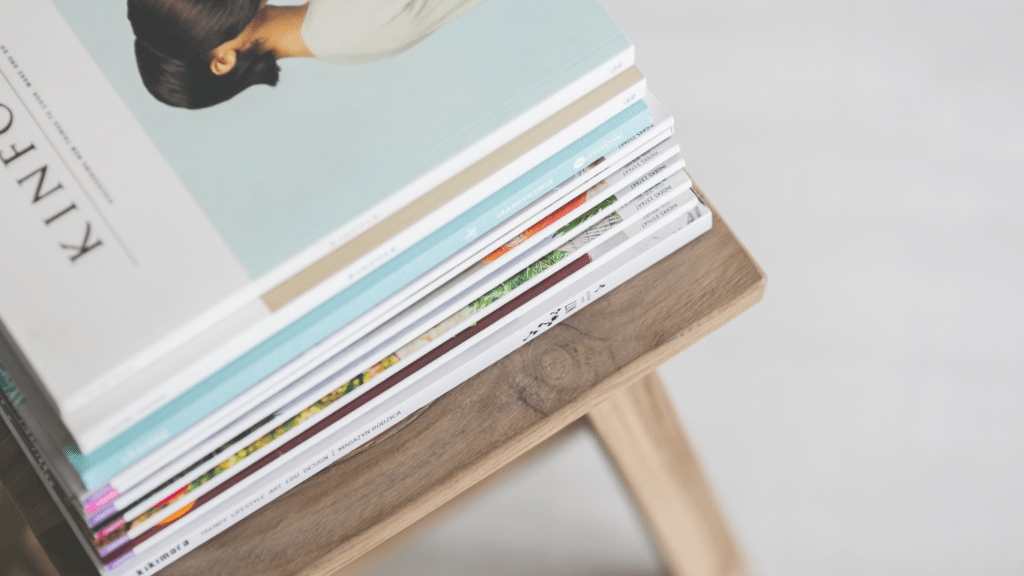
I still buy Artforum every month. Not for the ads. Not for the glossy paper.
For the weight of it (that) thick, unapologetic heft in your hands.
Artforum is theory-first. It’s where academics argue about Lacan over espresso and artists slowly panic before their next studio visit. You don’t skim it.
You wrestle with it. Being reviewed there feels like passing a bar exam you didn’t know you’d signed up for.
Who should read this? Academics and mid-career artists who need to stay sharp on discourse. Not market chatter.
Frieze came later. It’s slicker. Faster.
More London than New York. It leans into the art fair circuit, interviews living legends, and drops reviews that land like gossip at a Biennale opening. I respect it.
I just don’t trust it as far.
Who should read this? Collectors who want to sound informed at dinner parties (and actually are).
Art in America is the quiet one. It covers regional shows, museum retrospectives, and studio visits you’ll never see on Instagram. Its tone is generous.
Its pace is slow. Its audience? Practicing artists (especially) those outside NYC or LA.
Who should read this? Anyone who wants to understand how art gets made, not just sold.
The Famous Art Articles Artypaintgall archive on Artypaintgall pulls from all three. But it’s not a substitute. It’s a doorway.
You can’t replace holding Artforum in your lap while reading a 3,000-word essay on post-colonial sculpture.
You just can’t.
Print isn’t dead. It’s waiting for you to pick it up.
Art Online: Where Criticism Actually Lives Now
I read art writing online. Not in glossy magazines stacked on coffee tables. In browser tabs, at 11 p.m., after scrolling past three Instagram reels.
Print is slow. Digital is immediate. And it’s loud.
Hyperallergic moves fast. They break stories no one else touches (like) museum funding ties to arms dealers (yep, that happened). Their voice?
Sharp. Unapologetic. They investigate.
They name names.
Famous Art Articles Artypaintgall? That phrase shows up in search bars more than you’d think. Usually from people tired of gatekept jargon.
Artsy Editorial leans into the market. Not just what sold, but why it sold (and) who got left out of the room where decisions were made. They connect artists to collectors, yes, but also to labor conditions and resale rights.
(Which most galleries still ignore.)
Contemporary Art Daily? Pure visual feed. No headlines.
No bylines. Just images. Studio shots, installation views, protest documentation (uploaded) same-day.
It’s raw. It’s global. It’s run by two people in Berlin and a rotating crew of unpaid interns.
These sites didn’t wait for permission to matter.
They gave space to writers who don’t have MFAs. To critics who live outside New York. To voices that print editors kept calling “too niche.”
Best for breaking news and sharp commentary? Hyperallergic.
I covered this topic over in Art famous articles artypaintgall.
Best for understanding how the art market really works? Artsy Editorial.
Best for seeing what’s being made. Right now, unfiltered? Contemporary Art Daily.
I’ve watched students cite Hyperallergic in thesis defenses. I’ve seen curators reshuffle exhibitions after reading Artsy’s reporting on fair ethics. I’ve used Contemporary Art Daily to find artists before their first solo show.
None of them need your subscription to exist. But they do need you to read closely. And share widely.
Niche & Noteworthy: Where Real Art Talk Happens

I read art publications like most people check the weather. Not for fun. For survival.
The Art Newspaper? It’s the Bloomberg of brushstrokes. Auction results, export bans, gallery lawsuits (all) covered like stock tickers.
You’ll know when Sotheby’s slowly drops a $200M Rothko before your dealer does.
It’s not for beginners. (Unless you’re the kind who Googles “art law precedent” on lunch breaks.)
Then there’s The Burlington Magazine. Scholarly. Dense.
Full of footnotes that cite 19th-century German catalogues. If you’ve ever argued about pigment analysis in Veronese’s drapery. Yes, this is your Bible.
I’ve seen collectors skip both. Big mistake. They think Instagram reels and auction previews are enough.
They’re not.
You need the market pulse and the historical backbone. One tells you what sold. The other tells you why it matters.
Who benefits most? Researchers. Curators.
Dealers with long memories. And serious collectors who don’t want to pay $4M for something they later learn was misattributed in 1987.
There’s also Art Famous Articles Artypaintgall (a) tight roundup of landmark pieces, many pulled from these very journals. It’s one place to see how the academic and commercial threads actually cross.
I use it when I’m tired of digging through PDFs.
You should too.
Especially if you’ve ever stared at a provenance document and thought: Wait. Whose handwriting is this?
That question has cost people more than they admit.
From Reader to Participant: Stop Pitching. Start Listening.
I used to blast press releases to every editor I could find. It didn’t work. Not once.
Do your homework (really) do it. Read a publication for three months before you say a word. Notice who writes about sculpture versus digital art.
See which writers cover Midwest galleries and which ones skip them entirely. You wouldn’t walk into a studio and demand a critique without knowing the artist’s process. So why pitch blind?
Build relationships, not contact lists. Follow writers on social media. Comment on their posts (thoughtfully.) Not “Great piece!” but “Your point about ceramic glaze timing reminded me of X exhibition.”
They’ll remember that.
They won’t remember your generic pitch.
Target the right person. The editor-in-chief isn’t reviewing your watercolor series. Find the assistant editor who covers emerging painters.
Or the freelance writer who just published three pieces on installation art. That’s who opens your email.
You’re not begging for coverage. You’re offering relevance. And if you’re serious about getting seen, check out the New fine art articles artypaintgall (they) publish real-time updates on where artists are landing press.
Famous Art Articles Artypaintgall? That’s noise. This is signal.
Stop Drowning in Noise
You open your browser. Ten art sites scream for attention. You click one.
Then another. Nothing sticks.
I’ve been there. Wasting hours on vague headlines and recycled takes.
That’s why Famous Art Articles Artypaintgall matters. Not as decoration. As a filter.
It names the players. It shows who does what. No fluff.
No gatekeeping.
You’re not just reading art news. You’re building judgment. Whether you make work, buy it, or just love it.
This is how you stop guessing and start seeing.
So pick one publication from the list. Just one.
Spend 30 minutes on its site. Read three pieces. Notice what shifts in your head.
You’ll feel it. That quiet click of clarity.
Your turn. Go now.
 Karen Parker is a vital member of the Sculpture Creation Tips team, where her profound love for the art of sculpting is evident in every piece she works on. With years of experience and a deep understanding of various sculpting techniques, Karen has become a trusted mentor to both beginners and seasoned artists alike. Her dedication to the craft is matched only by her passion for teaching, as she creates detailed, easy-to-follow tutorials that help others bring their artistic visions to life. Karen's expertise spans a wide range of materials and styles, allowing her to offer invaluable insights that cater to a diverse audience. Whether through her hands-on guidance or her thoughtful advice, Karen's contributions are instrumental in nurturing a vibrant and supportive community of sculptors, all united by a shared love for this timeless art form.