Shifting Narratives Through Form and Material
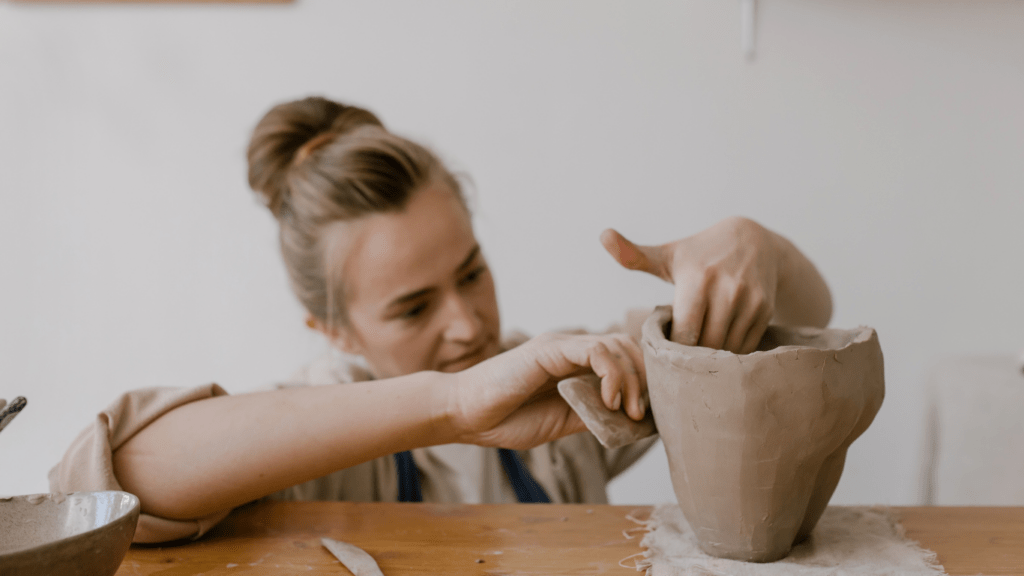
Contemporary sculpture has never existed in a vacuum but in 2024, the weight of the world is clearly visible in its materials and form. Social unrest, climate upheaval, and geopolitical tension are no longer just backdrops; they’re the content itself. Sculptors are responding not with grand permanence, but with vulnerability: crumbling clay, rusted steel, salvaged wood, even ice. The message is clear nothing feels stable, and the work reflects that.
Artists are leaning into recycled and raw resources, not just to make a point about sustainability, but to mirror a world full of tension and fragility. Unvarnished surfaces, imperfect joins, and organic breakdown are part of the language. It’s not about polish, it’s about process.
Impermanence isn’t just accepted anymore it’s the point. Fragmentation is everywhere: torn forms, half figures, installations that change or wither over time. In a decade defined by uncertainty, sculpture is becoming less about endurance and more about capturing this exact, unstable moment.
The Public Sphere Is the New Gallery
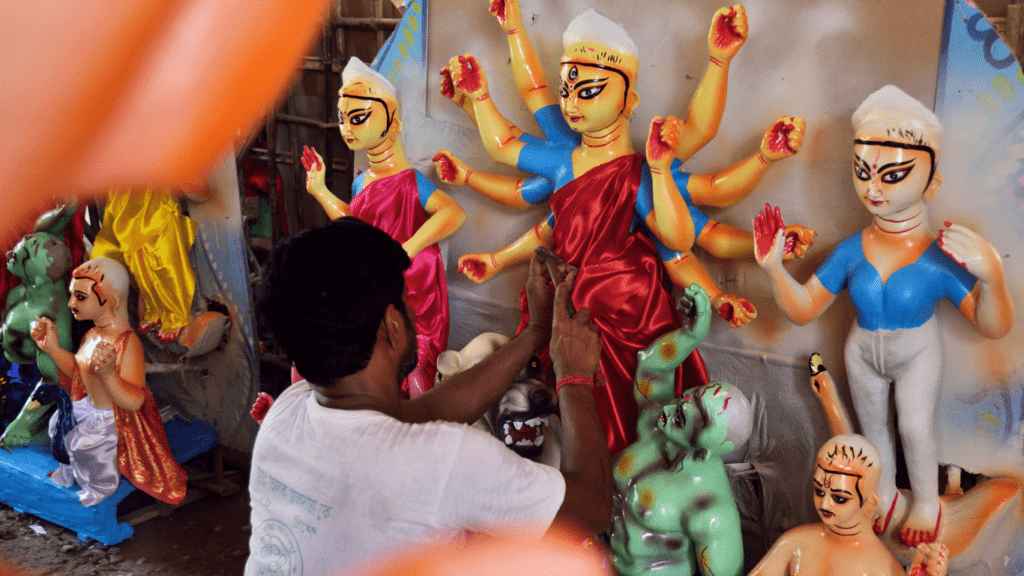
Sculpture is leaving the white walled gallery and taking to the streets. In the wake of protests, pandemics, and climate emergencies, more artists are turning to public installations to speak to shared crises. These aren’t just decorative monuments they’re responses, sometimes confrontational, often raw, built to spark dialogue exactly where people live and move.
What’s powerful is this: people who’ve never set foot in a museum are engaging with sculpture in parks, on street corners, or during community events. This shift is democratizing art, placing it in places that feel more accessible than elite institutions ever did. When a work shows up in your neighborhood, it’s hard to ignore. Sculptors are holding space for difficult conversations through large scale art that lives outside traditional boundaries.
Public sculpture has become a tool sometimes a salve, sometimes a shot in the arm. It marks grief, calls out injustice, offers reflection. Whether carved from stone or fused from scrap metal, it asks not just to be seen, but felt.
Dive deeper into sculpture’s role in society.
Cultural Identity and Postcolonial Dialogue
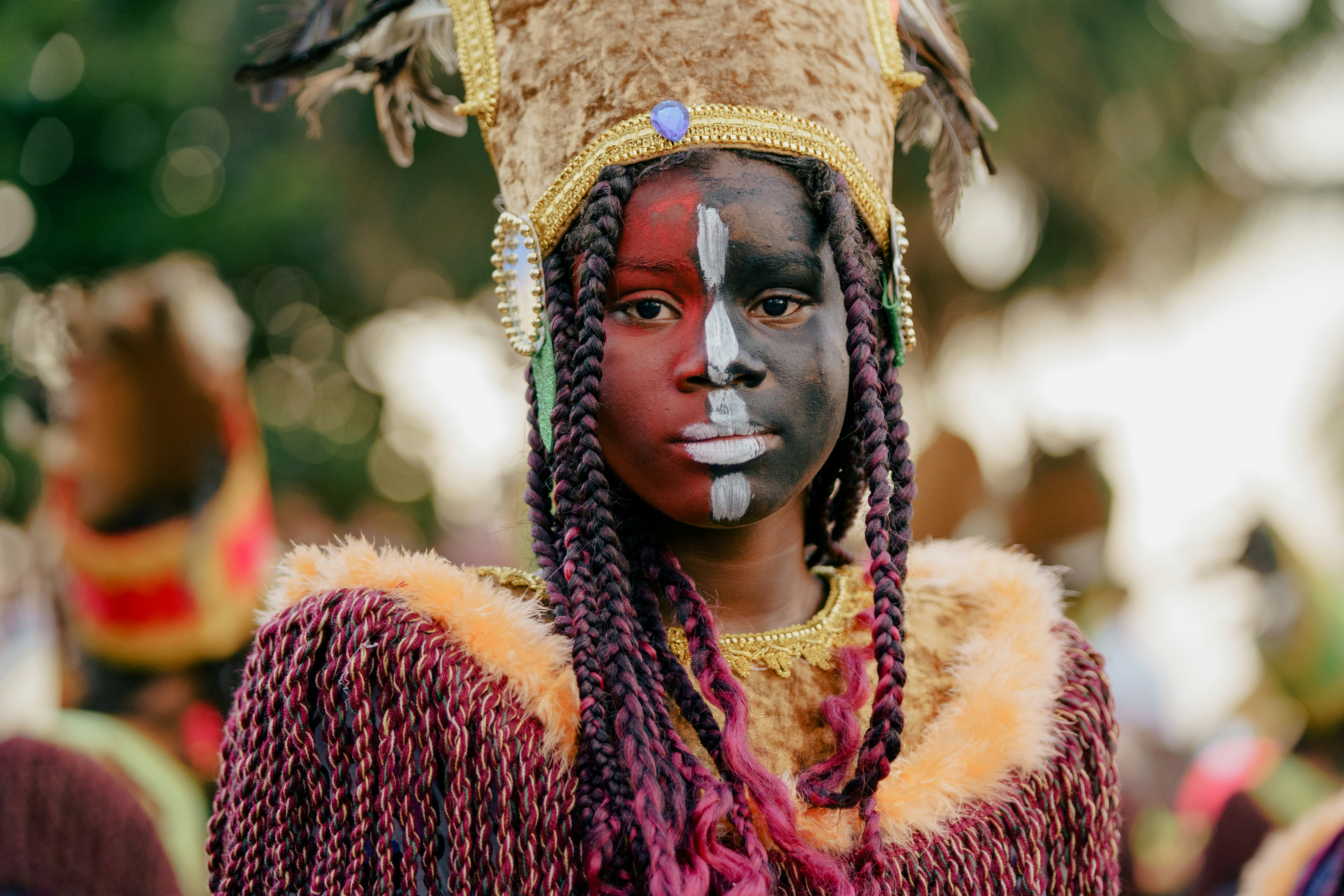
Across global sculpture in 2024, there’s a noticeable shift in who gets to speak and who’s finally being heard. Underrepresented voices, especially indigenous artists and those from postcolonial backgrounds, are taking up more space, and the work is anything but subtle. These sculptors aren’t just adding to the conversation; they’re rewriting it. Their materials pull from ancestry. Their forms push back on erasure. Their presence challenges what audiences think they know about culture and history.
Much of the new wave centers on heritage. Artists are reaching back into personal and collective pasts, unearthing stories of migration, exile, survival. The sculptures that come from this process are layered visually and emotionally. Wood, stone, and metal mix with textiles, bones, maps materials loaded with memory. These aren’t just objects. They’re statements.
And then there are the monuments being dismantled figuratively and, sometimes, literally. More sculptors are questioning who’s been immortalized and why. It’s not just iconoclasm. It’s reclamation. Pieces deconstruct heroic figures, repurpose colonial symbols, or rebuild sites of memory from an entirely different perspective. The result? Work that feels honest, uncomfortable, needed. The gatekeepers don’t get to write the history alone anymore.
Digital Hybrids and Global Reach
Sculpture hasn’t stayed immune to the digital shift. Artists are folding augmented and virtual reality into their practice not as gimmicks, but as serious forms expanding what sculpture can be. Physical work now often has a digital twin. An AR installation on your phone can lead you to a real object in a gallery or public plaza. The line between material and virtual is thinner than ever, and sculptors are using both to ask where we’re going, and what’s real.
The pandemic forced distance, and that necessity sparked innovation. Global lockdowns pushed artists to exhibit online, collaborate over borders, and build installations that audiences could access without ever leaving home. Some of those tools stuck virtual studios, digital fabrication, livestreamed build processes. What began as workaround has become standard in many sculptors’ toolkits.
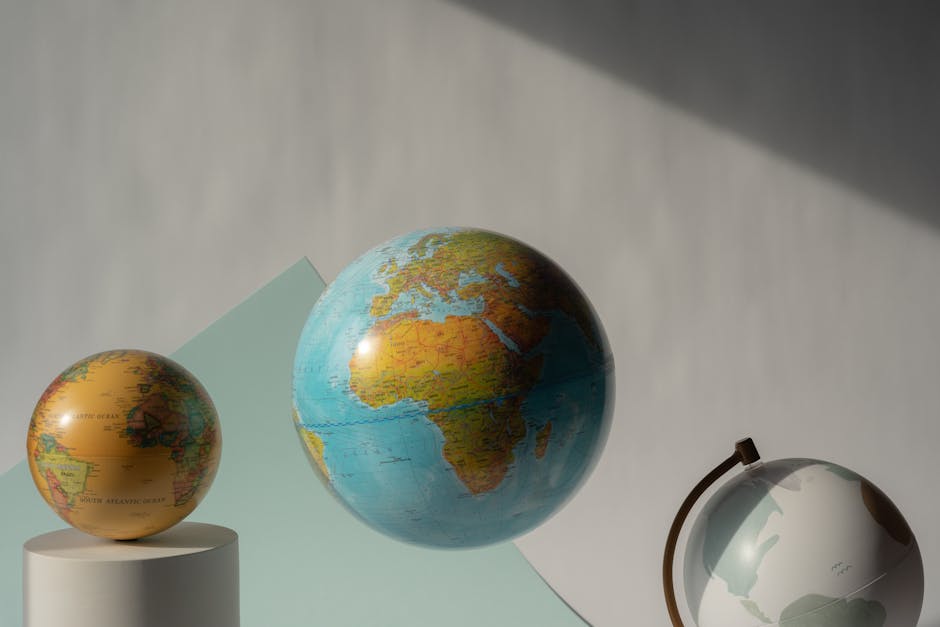
Cross border exchange is smoother now too. Tools like shared digital modeling platforms, virtual residencies, and NFT based assets have turned geography into less of a barrier. As a result, the work itself is increasingly hybrid melding influences from Lagos to Berlin to Seoul. These collaborations don’t flatten culture they layer it. The result: art that speaks in more than one voice, to more than one community.
Where Sculpture Could Go Next
Emerging Themes on the Horizon
As global dynamics continue to evolve rapidly, contemporary sculpture is poised to respond with even greater urgency and innovation. Artists are increasingly engaging with themes that reflect humanity’s most pressing challenges.
Key themes shaping the future of sculpture include:
Climate Urgency: Sculptors are drawing attention to ecological crises through site specific installations, melting or biodegradable materials, and works that erode or decay over time mirroring the fragility of the environment.
Artificial Intelligence: Some artists are exploring the intersection of technology and form, embedding AI driven processes into their work to question authorship, automation, and humanity’s role in a technologically saturated world.
Global Displacement: Sculpture is becoming a vessel for visualizing refugee journeys, border tensions, and the emotional impact of forced migration, often through fragmented forms or mobile installations.
Building Landscapes Both Physical and Emotional
Contemporary sculpture doesn’t merely respond to world events; it helps shape how we process them. Through tactile, large scale installations, artists are creating spaces for reflection and resilience.
Sculpture as a tool for recovery:
Reclaiming public space as a site of healing and collective memory
Infusing materials with symbolic weight rubble, salvaged wood, textiles in works that speak to destruction and reconstruction
Designing interactive pieces that invite participation, storytelling, and shared ownership
Continue the Conversation
Contemporary sculpture is more than a static art form it’s a living commentary on the world around us. As artists push boundaries, the medium itself continues to evolve as a powerful platform for global discourse.
Keep exploring sculpture’s role in society through work that refuses to remain silent in the face of change.
 Christyn Stearnsio, the visionary founder of Sculpture Creation Tips, is a passionate artist with a deep love for the art of sculpting. With years of experience in the field, Christyn has dedicated her career to sharing her knowledge and expertise with others, creating a platform that serves as a comprehensive guide for sculptors at all levels. Sculpture Creation Tips is a testament to her commitment to nurturing creativity and helping artists master the delicate craft of sculpting. Through detailed tutorials, insightful articles, and a supportive community, Christyn empowers aspiring sculptors to explore their artistic potential, refine their skills, and bring their unique visions to life. Her dedication to the art form is evident in every piece of advice and inspiration she shares, making Sculpture Creation Tips a trusted resource for sculptors around the world.