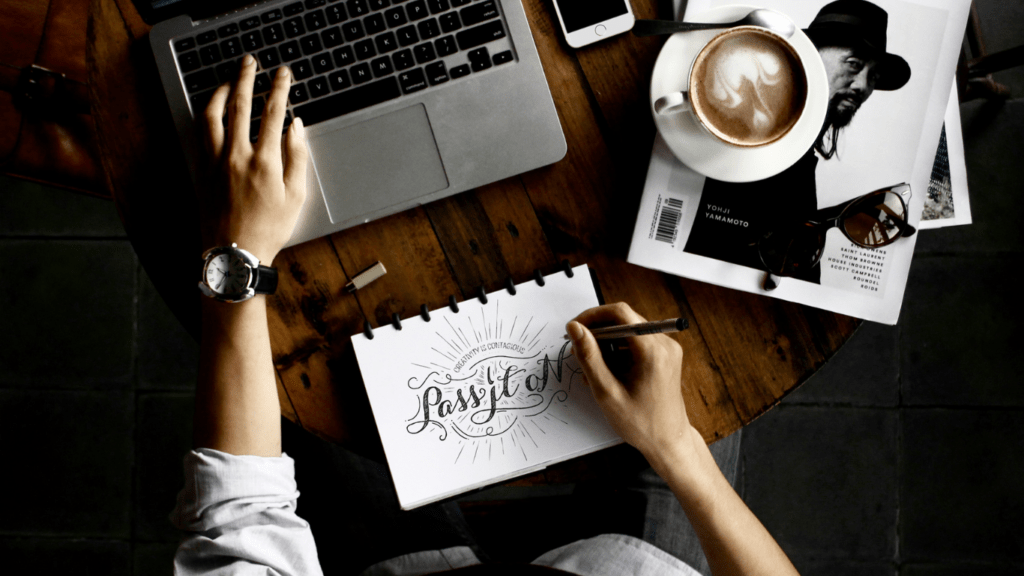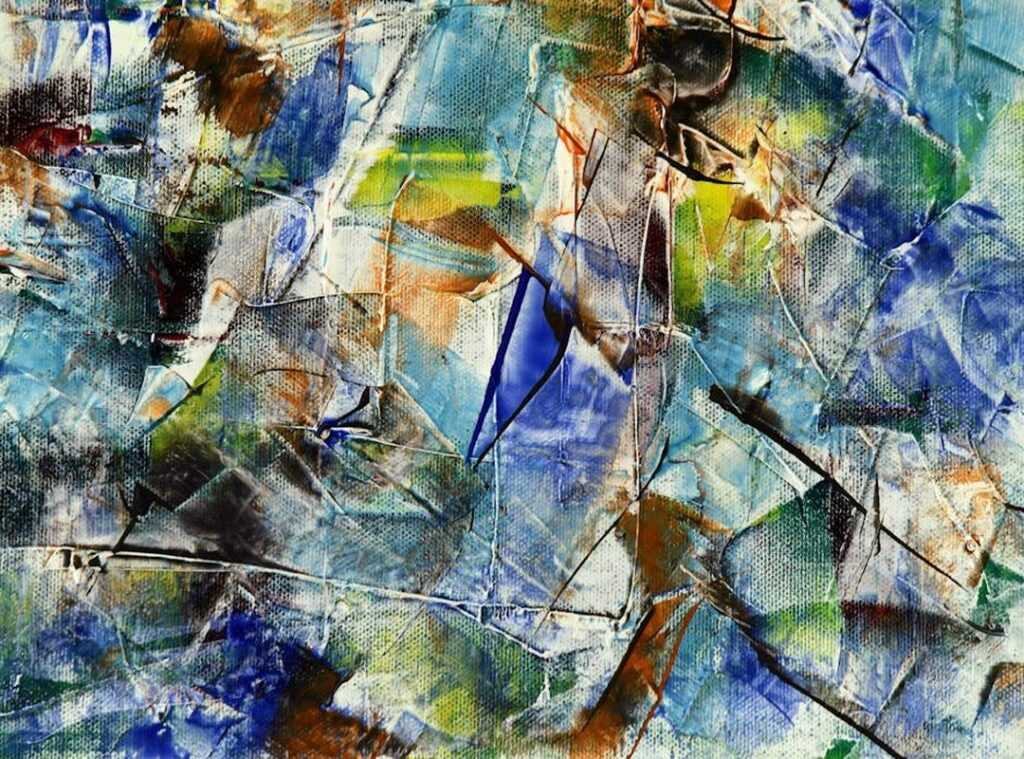
You’ve held that glossy art book before.
The one that looks expensive but feels hollow. The one where the images are sharp but the thinking is tired. The one you put down after five minutes and forget by lunch.
I’ve seen hundreds of them. And I’m done pretending they count as fine art publishing.
Most so-called “contemporary” art publications are just reprints dressed up in new paper. Or zines with attitude but no craft. Or books that look good on a shelf but say nothing to your gut.
That’s not what this is about.
This article covers only fresh releases. Not reissues. Not mass-market runs.
Not anything stamped out last decade and relabeled “new.”
We’re talking newly commissioned essays. Limited editions with hand-sewn bindings. Print runs where the paper stock matters as much as the artist’s name.
I’ve spent thirty years watching how artists, printers, and editors collide. And what actually survives.
New Fine Art Articles Artypaintgall is the only place right now doing all of it right.
No filler. No nostalgia bait. Just work that arrives with intention and stays with you.
You’ll get names you haven’t heard yet. Formats you didn’t know were possible. A list you can trust.
Because every title was held, opened, read, and judged on its own terms.
Let’s cut the noise.
What “Fresh” Really Means in Print
I used to think “fresh” just meant “new.” Then I held a book that smelled like ink and linen thread (and) realized I was wrong.
Fresh means original editorial voice. Not recycled takes. Not safe summaries.
It means someone actually thought before writing.
It means unreproduced artwork. No stock photos dressed up as fine art. No JPEGs passed off as originals.
(Yes, I’ve seen it.)
It means tactile production values. Letterpress. Hand-tipped plates.
Archival pigment inks on handmade paper. Not offset on coated stock.
It means conceptual cohesion. Every essay, image, and margin choice ties back to one idea. Not a grab bag.
Compare two recent titles: one uses soy-based inks on deckled-edge paper, with essays that argue against digital reproduction. The other? Digital facsimile of a 1920s catalog.
No new text, no new images, inconsistent type sizes.
Filler essays kill momentum. Inconsistent typography confuses the eye. And “new” doesn’t matter if it’s just repackaged.
Collectors don’t care about brand names anymore. They care about first-edition integrity.
That’s why Artypaintgall stands out (it) publishes New Fine Art Articles Artypaintgall that meet all four criteria.
I’ve bought three issues. Two are already in my long-term stack.
The rest? Recycled. Disposable.
Forgettable.
How We Pick Who Gets In: No Algorithms, No Guesswork
I don’t read your Instagram bio before deciding if your work belongs here. I don’t run your portfolio through a scoring model. And I definitely don’t accept unsolicited submissions.
Full stop.
That means no cold emails. No DMs with PDFs. No “just take a look.”
It’s not personal.
It’s protection (for) the work, and for the readers.
Visual pieces go to practicing printmakers and gallery curators. Writers get reviewed by editors who’ve actually held physical galleys in their hands. Not interns.
Not AI tools. Real people who know paper stock from pixel density.
Every featured artist must provide at least one piece created specifically for the publication’s physical format, not adapted from digital files.
(Yes, that means no JPEG-to-inkjet shortcuts.)
You can read more about this in Famous Art Articles.
We aim for 40% of contributors from Global South nations. 60% women or nonbinary artists (verified) via self-identification and residency documentation before printing. No estimates. No rounding up.
This isn’t about quotas. It’s about correcting decades of gatekeeping. You notice who’s missing before you even open the cover.
The first thing you’ll see in the next issue? New Fine Art Articles Artypaintgall. All built on that same standard. No exceptions.
No shortcuts. Just work that earned its place.
Paper Lies: Why Your Art Book Feels Cheap
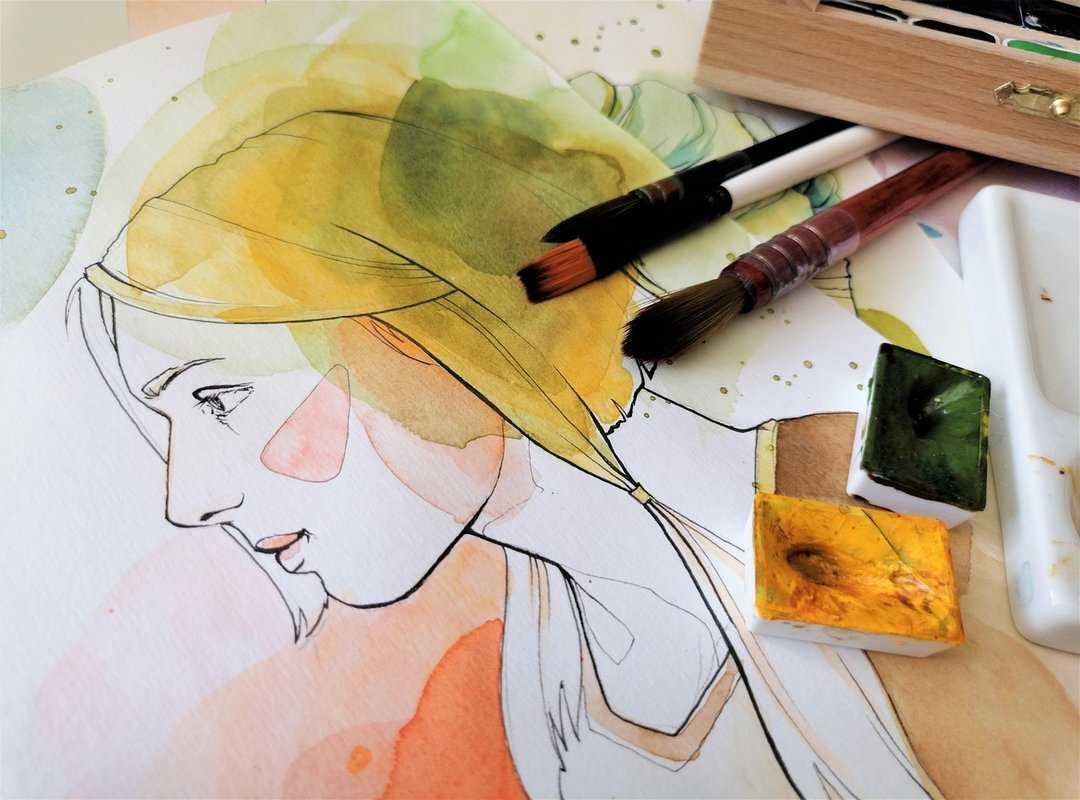
I held a $300 monograph last week. It cracked open at page 12.
The binding was perfect bound. The paper? 150gsm wood-pulp with a glossy coat. Colors looked flat.
Felt like reading a brochure.
Paper weight and fiber composition change everything. 300gsm cotton rag holds ink deep. Lets pigment breathe. Wood-pulp stock bleeds, yellows, lies to your eyes.
Ink opacity matters just as much. That cyanotype folio from 2024? UV-reactive ink on hand-coated paper.
Each copy shifts under sunlight. Real variation. Not a glitch.
A feature.
Lightfastness ratings? Check them. If it’s not rated I or II, it fades.
Fast. Ask yourself: do you want this book in 2040?
Binding isn’t just glue and thread. Japanese stab binding lays flat. Perfect binding fights you every time you try to photograph a spread.
Deckle edge? Rough, torn paper edge. Not a flaw.
A signal the sheet was handmade. Chine-collé? A thin print glued onto heavier paper.
Adds texture and depth. Tipped-in plate? A separate image pasted in.
You feel the bump.
“Limited edition” means nothing if they used cheap ink and flimsy board. I saw one last year (50) copies, “archival,” but the ink faded in six months. Scarcity ≠ quality.
Famous Art Articles Artypaintgall covers real material choices. Not marketing buzzwords.
New Fine Art Articles Artypaintgall? Skip the hype. Flip the book.
Bend the spine. Hold it up to light.
How to Spot a Real Art Book (Fast)
I check books before I buy. Every time.
First: Is the copyright date within the last 12 months? If it says 2022, walk away. Older ≠ worse (but) for New Fine Art Articles Artypaintgall, recency matters.
Trends shift. Studios evolve. Print tech changes.
Second: Does it have a colophon with paper, ink, and binding specs? No colophon = likely unvetted printer. Green flag? “Hahnemühle Photo Rag 308 gsm, Epson UltraChrome HDX inks, Smyth-sewn binding.”
Third: Are contributor bios tied to active studio practice?
Not just “PhD, Professor Emeritus.” Try “runs ceramic studio in Portland since 2017.”
Fourth: Did the artist help shape the book? Handwritten captions? Layout input?
Or just dropped off JPEGs and vanished?
Fifth: Is the ISBN linked to a real publisher imprint?
Not a print-on-demand aggregator masquerading as a press.
You don’t need a magnifying glass. Just your eyes and five seconds.
This works online or in person.
I’ve used it at Artypaintgall Art Gallery From Arcyart, where the best catalogs live side-by-side with sketchy reprints (and) yes, that link goes straight to their physical + digital archive.
Start Building a Collection That Feels Alive
You’ve stared at shelves full of publications that look sharp but leave you cold.
They sit there. You don’t open them. You don’t reread them.
You don’t feel anything when you hold them.
That’s not curation. That’s decoration.
I’ve been there too. Wasting money on things that promise depth but deliver dust.
Freshness isn’t about chasing the newest thing. It’s about intention. In the writing, the printing, the people behind it.
Look at the colophon. Read the contributor notes. Ask yourself: Who made this?
Why does it matter now?
That’s where New Fine Art Articles Artypaintgall changes the game.
Every release is built to be held, re-read, argued with, lived with.
You want work that pulls you back in. Not once, but every few months.
So pick one upcoming release from this season.
Run it through the 5-point checklist.
Then order before the first print run sells out.
Because once it’s gone, it’s gone. And your shelf stays quiet.
Great art deserves great vessels (and) every fresh publication is a vessel you hold in your hands.
 Karen Parker is a vital member of the Sculpture Creation Tips team, where her profound love for the art of sculpting is evident in every piece she works on. With years of experience and a deep understanding of various sculpting techniques, Karen has become a trusted mentor to both beginners and seasoned artists alike. Her dedication to the craft is matched only by her passion for teaching, as she creates detailed, easy-to-follow tutorials that help others bring their artistic visions to life. Karen's expertise spans a wide range of materials and styles, allowing her to offer invaluable insights that cater to a diverse audience. Whether through her hands-on guidance or her thoughtful advice, Karen's contributions are instrumental in nurturing a vibrant and supportive community of sculptors, all united by a shared love for this timeless art form.